
Picking
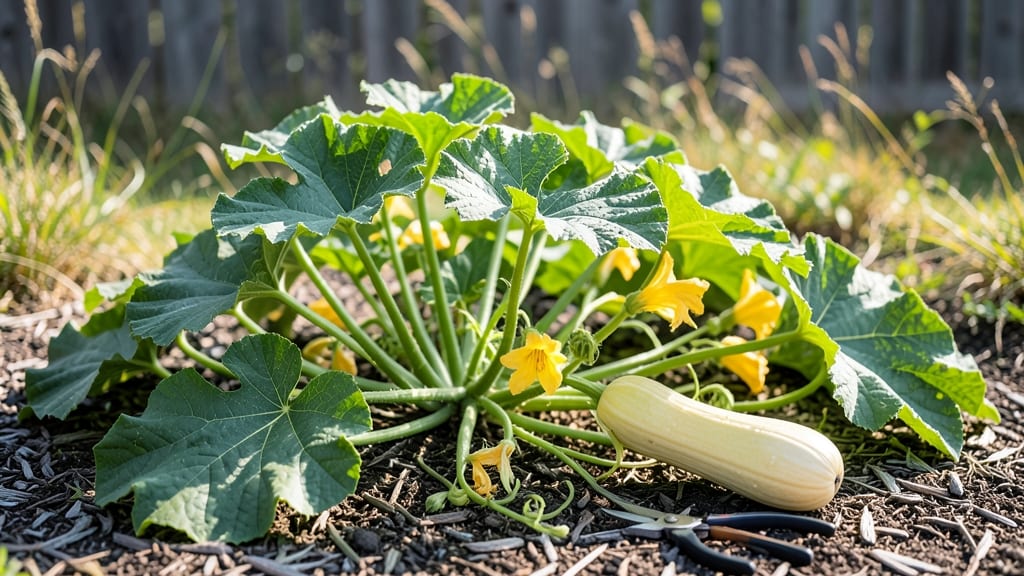
Growing Georgia Candy squash in partial shade might sound tricky, but I’ve grown these sweet vines for years—even in my shady backyard corner. 🌱 The secret isn’t full sun; it’s patience, the right soil, and a little extra care that turns ordinary space into a squash treasure trove.
These vines produce small, sweet, and tender squash perfect for slicing or stir-frying, and they thrive where other varieties struggle.
Start with well-draining soil mixed with compost, and plant seeds after the last frost when soil reaches 60°F. Georgia Candy squash loves warmth but tolerates partial shade, making it ideal for under trees or along fences.
Water consistently—about 1 inch per week—keeping the soil moist but not soggy. A mulch layer helps retain moisture and keeps roots cool.
By midsummer, you’ll see vines sprawling and tiny squash forming. Harvest when they’re 3-5 inches long for the sweetest flavor—wait too long, and they turn tough. These vines produce prolifically, so expect a steady supply all season long.
The best part? They’re resistant to common squash pests like cucumber beetles, saving you from constant spraying.
For beginners, the key is consistency—don’t let the soil dry out, and prune vines gently to encourage bushier growth. In Georgia’s heat and humidity, watch for powdery mildew and treat early with a baking soda spray.
With these tips, you’ll be harvesting Georgia Candy squash in no time—sweet, tender, and totally worth the effort.
📚 In This Guide
- What you need
- Instructions
- Tips and common mistakes
- Wrapping up and next steps
What you need
- ● Georgia Candy Squash Seeds: 3–5 seeds per plant (or 10–15 seeds for multiple vines). Choose heirloom, non-GMO seeds for the best flavor!
- ○ Containers or Garden Bed: Containers: 5-gallon pots or larger (at least 12" deep) with drainage holes. Optional: Self-watering pots for convenience.
- ● Garden Bed: Well-draining soil in a sunny or partially shaded spot (6+ hours of light daily). Pro tip: Raised beds work great if your soil drains poorly! 💡
- ● Potting Mix or Soil: High-quality, well-draining mix (e.g., 50% compost, 30% coco coir, 20% perlite). For garden beds, amend with 1–2 inches of compost.
- ● Fertilizer: Starting: Balanced organic fertilizer (10-10-10 or similar) at planting.
- ● Growth: Low-nitrogen, high-phosphorus fertilizer (e.g., 5-10-10) every 3–4 weeks.
- ○ Trellis or Support: 4–6 ft tall trellis, stakes, or tomato cages to train vines (optional but highly recommended for space-saving and airflow!).
- ● Mulch: Straw or shredded leaves to retain moisture and suppress weeds.
- ● Basic Gardening Tools: Trowel or hand shovel
- ● Pruners (sterilized)
- ○ Gloves (optional but handy for thorny vines!)
- ● Watering Can or Hose: With a gentle spray nozzle for even watering.
- ○ pH Test Kit: Optional but useful—Georgia Candy Squash thrives in pH 6.0–7.0. Adjust soil if needed with lime (to raise pH) or sulfur (to lower pH).
- ● Pest Control: Neem oil or insecticidal soap (for aphids/squash bugs)
- ○ Row covers (optional, for early planting)
- ● Patience & Sunlight: Partial shade is fine, but at least 4–6 hours of morning sun ensures sweet, flavorful squash! ☀️
Step-by-step instructions for growing Georgia Candy squash
Here's how I grow these sweet, tender squash reliably—even in partial shade.
🌱 Step 1: Choose the Perfect Planting Site
Georgia Candy Squash thrives in partial shade to full sun, but I always pick a spot with at least 4-6 hours of morning sunlight. The vines appreciate afternoon shade in hot climates to prevent sunscald on the fruit. Test your spot by observing how much light it gets over a few days—you'll notice the leaves stay cooler in shadier areas.
This variety needs well-draining soil with a pH of 6.0-6.8. If your garden soil is heavy clay, mix in 2-3 inches of compost and a handful of coarse sand to improve drainage. The vines spread wide, so give them 3-4 feet of space in all directions. I mark the area with stakes to visualize the space before planting.
🌱 Step 2: Start Seeds Indoors or Direct-Sow After Frost
I start seeds indoors 4-6 weeks before the last frost because Candy Squash has a 75-90 day maturity window. Use biodegradable pots and plant 2 seeds per cell at a depth of 1 inch. Keep the soil warm (70-85°F) for best germination—seedling heat mats work wonders. You'll see sprouts in 7-14 days, though cooler rooms may take longer.
For direct sowing, wait until soil temperatures reach 60°F and all frost risk has passed. Plant seeds 1 inch deep and 3 feet apart in rows spaced 4 feet apart. Thin seedlings to the strongest plant per spot when they reach 2 inches tall. I always water the area well before planting to help roots establish faster.
💧 Step 3: Water and Mulch for Consistent Moisture
Keep soil evenly moist but never soggy—Candy Squash is prone to rot if roots sit in water. Water deeply 1-2 times per week, aiming for 1 inch of water per week. You'll know you've got it right when the top 1-2 inches of soil feel damp but not wet. Drip irrigation or soaker hoses work best to avoid wetting the leaves.
Spread 2-3 inches of mulch around plants after they're established to retain moisture and suppress weeds. I use straw because it breaks down slowly and adds organic matter. Keep mulch 2 inches away from stems to prevent rot. Watch for yellowing leaves—they signal either overwatering or poor drainage.
☀️ Step 4: Train Vines and Support Growth
Candy Squash vines can sprawl 6-8 feet, so I install trellises or cages early to save space and improve airflow. Train the main vine along the trellis, pruning side shoots to focus energy on fruit production. You'll notice the vines grow most vigorously in warm, sunny mornings, so that's when I check for new growth.
Fertilize lightly with balanced 10-10-10 when vines start running, then switch to low-nitrogen 5-10-10 when flowers appear. Too much nitrogen makes plants leafy but fruitless. I always fertilize after watering to prevent root burn. Watch for yellowing lower leaves—they're normal as the plant matures, but sudden yellowing signals nutrient deficiency.
⏰ Step 5: Harvest at Peak Sweetness
Georgia Candy Squash is ready to harvest when fruits reach 6-8 inches long and develop a smooth, glossy skin. I check twice weekly in late summer—you'll see the skin turn from dull to shiny when they're ripe. Use pruning shears to cut stems, leaving 1 inch of stem attached to preserve shelf life.
Store harvested squash in a cool, dry place (50-55°F) where they'll keep for 2-3 weeks. For longer storage, cure them in 80-85°F for 10 days before refrigerating. I always save a few seeds from the best-tasting squash for next year's garden—they're easy to dry and store in paper envelopes.
Tips & tricks for perfect Georgia Candy squash
Here's what nobody tells you about growing these sweet, tender squash that'll make all the difference.
Soil Preparation Secret: Before planting, I always mix in a handful of egg shells (crushed and baked) into the soil. The calcium helps prevent blossom end rot, which can be a problem with squash varieties. This works especially well if your soil tests slightly acidic—aim for that 6.0-6.8 pH range we talked about. The shells break down slowly and provide ongoing benefits throughout the growing season.
Germination Game-Changer: When starting seeds indoors, I place the pots on a seedling heat mat set to 75°F during the day and let them drop to 65°F at night. This temperature swing mimics natural conditions and speeds up germination from the usual 7-14 days to about 5-7 days. The key is maintaining that 70-85°F soil temperature range consistently—any cooler and you'll see delays.
Vine Training Technique: For the 6-8 foot vines, I install a 5-foot trellis and train the main vine up it, but I leave the first 12 inches of vine on the ground. This creates a natural barrier that keeps the soil cooler at the base of the plant, which helps prevent sunscald on the fruit. When pruning side shoots, I always leave 2-3 leaves attached to each shoot—these provide energy for new growth.
Harvest Timing Tip: The 6-8 inch size guideline is perfect, but here's what I watch for: the skin should feel firm when pressed gently, and the stem where the squash attaches should start to dry out slightly. I harvest in the early morning when temperatures are coolest—this preserves the sweetness. If you notice the blossom end (where the stem was) starting to soften, that's your cue to harvest immediately, as the squash will start to deteriorate quickly after reaching peak ripeness.
Pro Tips for Georgia Candy Squash
- Here's what nobody tells you about growing these sweet, tender squash that'll make all the difference.
- Soil Preparation Secret: Before planting, I always mix in a handful of egg shells (crushed and baked) into the soil.
- Germination Game-Changer: When starting seeds indoors, I place the pots on a seedling heat mat set to 75°F during the day and let them drop to 65°F at night.
Frequently asked questions
How long does it take for Georgia Candy Squash to produce fruit?
Georgia Candy Squash typically takes 70–85 days from planting to harvest, depending on your climate. In warmer regions, you may see fruit as early as 60 days, while cooler areas might extend the timeline. Start seeds indoors 3–4 weeks before the last frost for a head start!
Can I grow Georgia Candy Squash in containers?
This bush-type squash thrives in 5-gallon containers or larger, with at least 12–18 inches of depth. Use well-draining soil, provide 6–8 hours of sunlight, and stake or cage the vines for support. Just ensure containers have drainage holes to prevent root rot.
Why aren’t my Georgia Candy Squash flowers turning into fruit?
If flowers aren’t producing fruit, check for these issues:
- Pollination problems: Hand-pollinate with a soft brush if bees are scarce.
- Temperature extremes: Squash needs warm days (70°F+) and cool nights (50–60°F) to set fruit.
- Nutrient deficiency: Add compost or a balanced fertilizer if leaves look pale.
What’s the best companion plant for Georgia Candy Squash?
Georgia Candy Squash loves companions! Plant near:
- Bush beans (improves nitrogen in soil)
- Marigolds (repels pests like squash bugs)
- Avoid planting near potatoes or fennel, as they can stunt growth.
Can I harvest Georgia Candy Squash before it’s fully ripe?
Yes! For smaller, sweeter squash (like zucchini), harvest when 6–8 inches long. For full flavor and storage, wait until the skin toughens and color deepens (typically 8–10 inches). Overripe squash becomes seedy and less tender—check vines every 2–3 days during peak season!
Wrapping up and next steps
Growing Georgia Candy Squash is a rewarding journey that brings sweet, flavorful rewards with minimal fuss—especially in partial shade! Whether you’re a seasoned gardener or a curious beginner, this vine thrives with patience and the right care.
Now that you’re armed with materials, tips, and troubleshooting tricks, it’s time to roll up your sleeves and plant those seeds.
🌱 Next step: Mark your calendar, prep your soil, and watch your garden transform into a candy-sweet paradise. Happy growing—and enjoy those first crisp bites of homegrown goodness! 🍉✨