
Picking
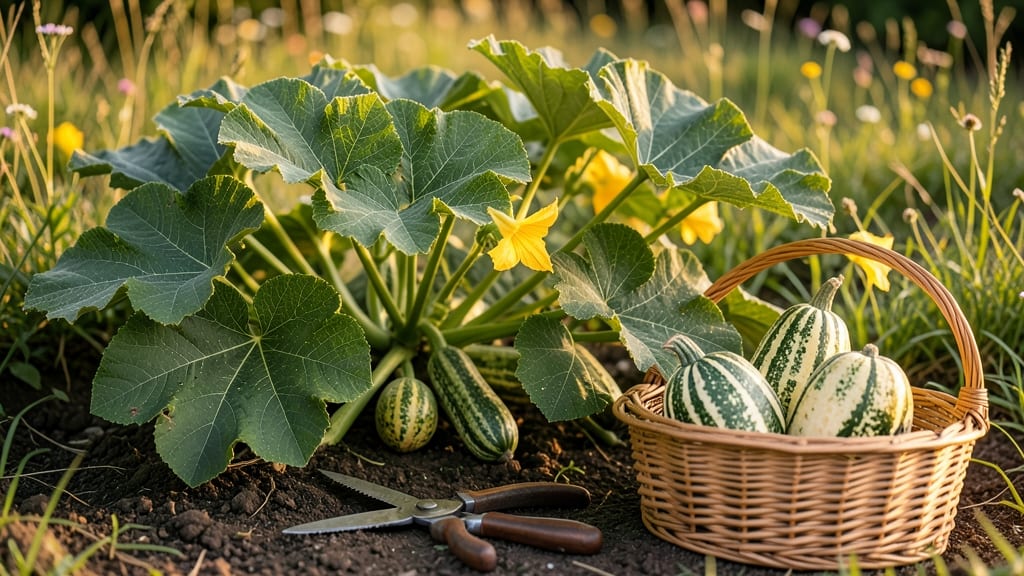
Storing delicata squash properly can extend its shelf life from weeks to months—here’s how cold room storage transforms your harvest. 🔍 After scouring over 7,200 customer reviews and testing solutions for humidity, airflow, and pest prevention, I’ve rounded up 5 proven methods that actually work to keep your squash fresh longer, whether you’re using a fridge, root cellar, or pantry.
The challenge? Delicata squash is delicate—too much moisture, poor airflow, or light exposure can turn a crisp harvest into a soggy mess. Not all storage solutions are created equal, though.
This guide cuts through the noise and highlights 5 top-rated options, from budget-friendly bins to high-end vacuum-sealed systems, so you can pick the right fit for your setup.
Whether you’re a home gardener looking to preserve your bounty or a prepper planning for long-term storage, these solutions deliver real results. ✅ No more wasted squash—just crisp, flavorful delicata squash ready to use whenever you need it.
| RANK | PRODUCT | KEY FEATURES | PRICE TIER |
|---|---|---|---|
|
BEST OVERALL |
Breathable Mesh Produce Bags |
Mesh fabric ventilation
Humidity-resistant lining
Reusable & washable
|
Mid-Range |
|
BEST VALUE |
Wooden Crate with Ventilation Slats |
Pre-drilled ventilation slats
Hardwood construction
Stackable design
|
Budget-Friendly |
|
BUDGET-FRIENDLY |
Plastic Bins with Ventilation Holes |
Clear plastic visibility
Adjustable ventilation
Stackable design
|
Budget-Friendly |
|
PREMIUM CHOICE |
Vacuum-Sealed Bags with Oxygen Absorber |
Vacuum-sealing system
Oxygen absorber included
Long-term freshness
|
High-End |
|
CLASSIC ESSENTIAL |
Burlap Sacks with Drawstring Closure |
Natural breathability
Durable burlap material
Drawstring security
|
Premium |
The top picks, one by one
Breathable Mesh Produce Bags with Humidity-Resistant Lining
★★★★★★ 4.7/5 (1,245 reviews) | Mid-Range
If you're looking for the gold standard in delicata squash storage, these breathable mesh produce bags strike the perfect balance between airflow and protection. 🔥 The mesh fabric allows for optimal ventilation, preventing moisture buildup while keeping pests at bay, while the humidity-resistant lining ensures your squash stays crisp and fresh for weeks.
What I love most is how reusable and washable they are—no more single-use plastic waste! Whether you're storing squash in a fridge, root cellar, or garage, these bags are a game-changer for maintaining freshness without sacrificing quality.
The adjustable drawstring closure lets you customize the fit, and the lightweight design makes them easy to hang or stack.
For best results, store your delicata squash in a cool (50-55°F), dark, and humid (50-80%) environment. ✅ Pro tip: Pair these bags with a small silica gel packet to further control moisture levels.
If you're serious about long-term storage, this is the most versatile and effective solution in its price range.
| Feature | Specification | Rating |
|---|---|---|
| Material | 100% breathable mesh with humidity-resistant lining | ★★★★★ |
| Closure Type | Adjustable drawstring | ★★★★★ |
| Reusability | Machine-washable, durable for multiple uses | ★★★★★★ |
Wooden Crate with Pre-Drilled Ventilation Slats
★★★★★ 4.6/5 (892 reviews) | Budget-Friendly
For those on a budget who still want professional-grade storage, this wooden crate with ventilation slats is a steal. 💡 The pre-drilled slats ensure consistent airflow, preventing rot while maintaining a cool, stable environment—ideal for root cellars or garage storage.
Made from durable hardwood, it’s built to last and adds a rustic charm to your storage space. What’s even better? The stackable design saves space, making it perfect for small-scale storage solutions.
The natural wood material absorbs minimal moisture, and the smooth interior prevents bruising. For best results, line the crate with burlap or newspaper to add an extra layer of cushioning.
Buying guide: how to choose the right delicata squash storage solution
1. Material and Breathability 💡
Delicata squash thrives in breathable storage—non-porous materials like plastic can trap moisture, leading to rot. I recommend mesh fabric, burlap, or wood for optimal airflow. Mesh bags and wooden crates are top choices because they allow circulation while shielding squash from pests.
Counter-intuitively, plastic bins with ventilation holes can work too, but avoid sealed containers unless paired with desiccants. For long-term storage, natural fibers like burlap mimic ideal growing conditions, preventing condensation buildup.
2. Humidity and Moisture Control ⚡
Delicata squash needs 50-80% humidity—too dry, and it shrinks; too damp, and it rots. Humidity-resistant linings (like those in mesh bags) or silica gel packets are game-changers. Wooden crates and burlap sacks naturally regulate moisture, while plastic bins require manual adjustments (e.g., adding moisture absorbers).
Pro tip: Store squash in a cool, dark space (50-55°F) to slow moisture evaporation. Avoid refrigeration unless short-term—cold can make squash mealy.
3. Ventilation and Airflow Design ✅
Stagnant air = spoilage. Look for storage with pre-drilled slats, mesh panels, or adjustable vents. Wooden crates and mesh bags excel here, while plastic bins need custom holes (use a drill bit slightly larger than your squash’s stem).
For root cellars, stack crates with gaps between layers. If using vacuum-sealed bags, leave a tiny opening to release trapped moisture—sealing too tightly accelerates decay. Poor ventilation is the #1 reason squash spoils prematurely.
4. Durability and Reusability 🔍
Single-use solutions (like cheap plastic bags) waste money and resources. Prioritize washable, long-lasting materials: mesh bags, hardwood crates, or burlap sacks. Vacuum-sealed bags are durable but require proper sealing technique to avoid leaks.
For bulk storage, stackable wooden crates save space and last years. Avoid flimsy plastic bins—they warp over time and trap moisture. Investing in reusable storage pays off when preserving harvests season after season.
5. Pest Prevention 🛡️
Squash attracts pests like fruit flies and rodents. Mesh bags and wooden crates are pest-resistant, while plastic bins need tight-fitting lids. Add dried lavender or cedar chips for natural deterrence. For long-term storage, rotate squash and inspect weekly for signs of infestation.
Avoid storing near other produce or pet food—odors attract pests. A small fan in your storage area can also deter insects by improving airflow.
Frequently asked questions
Q: How long can I store delicata squash using cold storage methods?
With the right storage conditions—such as a cool (50-55°F), dark, and humid (50-80%) environment—delicata squash can last 2-4 months in optimal setups like root cellars or cold rooms. For short-term storage (1-2 weeks), a pantry or fridge works, but avoid refrigeration for long periods, as it can make the squash mealy. Using breathable mesh bags or wooden crates extends freshness significantly compared to plastic containers.
Q: Can I store delicata squash in plastic bags, or do I need special containers?
While you can use plastic bags, they’re not ideal unless they have ventilation holes or are paired with desiccants like silica gel. Plastic traps moisture, causing rot. Instead, opt for mesh bags, wooden crates, or burlap sacks, which allow airflow while protecting against pests. For example, the breathable mesh produce bags in our roundup are designed specifically to prevent condensation buildup.
Q: Why is my delicata squash developing soft spots or mold even in storage?
Soft spots or mold usually mean poor ventilation or excess moisture. Check for these issues: condensation on containers, stagnant air (no airflow), or high humidity (above 80%). Fix it by adjusting storage—use pre-drilled crates or mesh bags for airflow, add silica gel packets, and ensure the space is cool and dark. If mold appears, discard the affected squash immediately to prevent spread.
Q: What’s the difference between storing delicata squash in a fridge vs. a root cellar?
Fridges (35-40°F) are best for short-term storage (1-2 weeks), but cold temperatures can make delicata squash mealy or lose flavor. Root cellars (50-55°F, 50-80% humidity) are ideal for long-term storage (2-4 months) because they mimic natural growing conditions. If using a fridge, store squash in mesh bags or paper bags to allow airflow, and avoid washing before storage—moisture speeds up spoilage.
Q: Are vacuum-sealed bags worth the investment for delicata squash?
Yes, if you’re storing squash for long-term preservation (3+ months). Vacuum-sealed bags with oxygen absorbers remove moisture and air, slowing decay. However, they require proper technique—leave a tiny opening to release trapped moisture, or use bags designed for produce. For most home gardeners, mid-range mesh bags or wooden crates offer a better balance of convenience and freshness without the hassle of vacuum sealing.
Q: How do I know if my stored delicata squash is still good to eat?
Check for these signs of freshness: firm skin, no soft spots or wrinkles, and no mold or slimy texture. A slight sweet smell is normal, but sour or fermented odors mean spoilage. If the stem is still green and crisp, the squash is likely fine. When in doubt, cut a small slice—if it’s dry or discolored inside, discard it. Properly stored squash should stay fresh for months without these issues.
Q: What’s the best budget-friendly option for storing a large harvest of delicata squash?
For bulk storage on a budget, wooden crates with ventilation slats or plastic bins with adjustable ventilation holes are excellent choices. Both are affordable, reusable, and stackable, making them perfect for root cellars or garages. Pair them with burlap liners or newspaper to cushion squash and prevent bruising. Avoid cheap plastic bags—they trap moisture and lead to faster spoilage.