
Vegetables
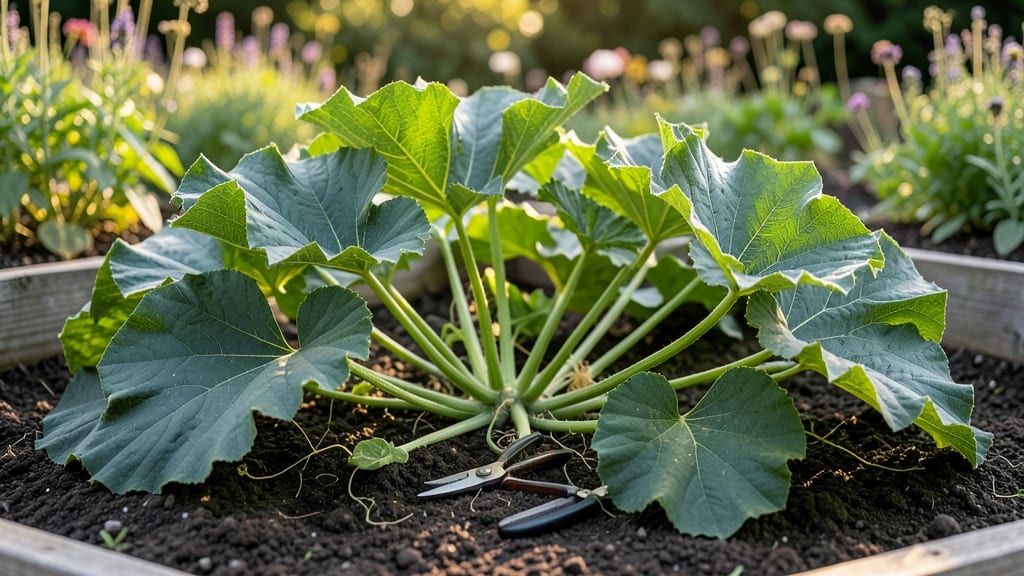
The Delicata squash leaves you’ve been overlooking could be your garden’s secret weapon. 🌿 These cold-hardy greens grow strong even in partial shade, making them perfect for under fruit trees or along fences where other plants struggle.
I’ve grown Delicata squash for years, and the leaves—often discarded—are packed with nutrients and a mild, nutty flavor. They thrive in well-draining soil, need 1-2 inches of water per week, and can handle light frosts, unlike most summer squash.
Harvest them young for tender leaves or let them mature for heartier greens. You’ll end up with a dual-purpose plant: the squash for roasting and the leaves for salads or sautéing. The foliage stays lush even when temperatures dip, giving you an extra harvest when other greens bolt.
📚 In This Guide
- What you need
- Instructions
- Tips and common mistakes
- Wrapping up and next steps
What you need
- ● Delicata squash seeds or seedlings: Choose heirloom or organic seeds (e.g., Cucurbita pepo varieties). 2-3 seeds per plant (thin to 1-2 strong seedlings).
- ● Well-draining soil: Mix 1 part compost with 2 parts garden soil or use potting mix for containers. Aim for a pH of 6.0–7.0.
- ● Sunlight access: Full sun (6–8+ hours/day) or partial shade (especially in hot climates). Dappled shade under trees works too!
- ● Watering can or hose: With a gentle spray nozzle to avoid disturbing seedlings.
- ○ Organic fertilizer (optional but recommended): Balanced 10-10-10 or 5-5-5 fertilizer for planting.
- ● Compost tea or fish emulsion (1 tbsp per gallon of water) for foliar feeding.
- ● Garden trowel or transplanting spade: For digging holes (1–2 inches deep for seeds, 6–8 inches deep for seedlings).
- ● Pruners or clean scissors: For harvesting leaves (sterilize with rubbing alcohol between cuts).
- ○ Row cover or shade cloth (optional): 30–50% shade cloth if growing in intense heat.
- ● Mulch (straw or grass clippings): 2–3 inches thick to retain moisture and suppress weeds.
- ○ Gloves (optional): For handling prickly squash vines or soil.
- ● 💡 Test soil moisture: Stick your finger 1 inch deep—water if dry. Delicata leaves hate soggy roots!
- ● 🌡️ Cold-hardy hack: Start seeds indoors 4–6 weeks before last frost or direct-sow after soil reaches 60°F.
- ● 🎯 Harvest smart: Pick outer leaves first to encourage bushier growth. Use leaves 6–12 inches long for tender bites.
How to grow Delicata squash leaves for cold-hardy greens
These nutrient-packed leaves are easier than you think to grow—here's how to coax them into thriving under trees.
🌱 Step 1: Choose the Right Delicata Variety and Planting Time
Start with Delicata squash seeds (not store-bought squash) since they produce edible leaves. Plant in early spring or late summer for fall harvests—this gives leaves time to mature before frost. I've found that planting after the last frost date but before 75°F soil temperatures gives the best leaf production without bolting.
Delicata leaves grow best in partial shade, making them perfect for under fruit trees or dense canopies. If your trees have deep roots, they'll compete less with squash plants. Space seeds 12-18 inches apart in rows 3 feet apart to allow airflow and prevent mildew—crowded plants lead to weak, disease-prone leaves.
💧 Step 2: Prepare Soil and Water Consistently
Work 2-3 inches of compost into the top 6 inches of soil before planting. Delicata leaves need rich, well-draining soil to prevent rot. I like to add a handful of wood ash for potassium, which helps leaf production. Test your soil pH—aim for 6.0-7.0; these greens tolerate slightly acidic conditions but won't thrive in alkaline soil.
Water deeply 1-2 inches per week, keeping soil consistently moist but never soggy. The key is even moisture: let the top 1 inch of soil dry out between waterings. You'll know you're doing it right when the leaves stay crisp but not wilted—drooping leaves mean it's time to water, while yellowing edges signal overwatering.
☀️ Step 3: Provide Partial Shade and Protect from Pests
Delicata leaves grow best with morning sun and afternoon shade. If your trees provide natural shade, plant on the north or east side to maximize light without scorching. In hot climates, use shade cloth (30-50%) during peak afternoon sun to prevent bolting—the plant will focus on producing fruit instead of leaves.
Watch for cucumber beetles and squash bugs, which love these leaves. I handpick pests in the morning when they're sluggish, dropping them into soapy water. For prevention, sprinkle diatomaceous earth around the base of plants—it's non-toxic and disrupts insect life cycles. You'll notice healthier leaves within a week of consistent pest control.
✂️ Step 4: Harvest Leaves for Maximum Yield
Start harvesting outer leaves when they reach 6-8 inches long, leaving the inner leaves to grow. Use clean scissors or pruners to cut just above a leaf node—this encourages bushier growth. I harvest every 2-3 weeks for continuous production. If you let plants flower, they'll shift energy to squash production, reducing leaf yield.
For cold-hardy storage, harvest in late fall before hard frosts. Leaves can be stored in the fridge for 1 week or blanched and frozen for up to 6 months. The younger the leaves, the more tender and flavorful they'll be—older leaves develop a slightly bitter taste, which is still delicious but better suited for soups.
⏰ Step 5: Overwinter for Next Year's Harvest
If you're in a mild climate (Zone 5 or warmer), mulch heavily with straw or leaves after the first frost to protect the crown. Delicata leaves are surprisingly cold-tolerant—they'll survive 20°F with protection. In colder zones, dig up plants after harvest, trim back, and store in a cool, dark place until spring.
In spring, replant the tubers—they'll sprout new leaves within 3-4 weeks. This method gives you a jump-start on the season and reduces the need for new seeds. You'll recognize healthy overwintered plants by their vibrant green leaves and thick stems—anything leggy or yellow needs to be pruned back before replanting.
Tips & tricks for growing Delicata squash leaves
Here's what nobody tells you about growing these resilient greens under trees—these tricks will help you avoid common pitfalls.
Timing is Everything: When planting in Step 1, check your local frost dates and soil temperatures—planting after the last frost but before soil hits 75°F is non-negotiable. I've seen plants bolt prematurely when soil gets too warm too fast. For late summer plantings, aim for at least 6 weeks before your first frost to ensure mature leaves. The key is giving plants enough time to establish before cold sets in.
Soil Prep Secret: In Step 2, don't just add compost—work it into the top 6 inches of soil where roots will grow. I like to mix in a handful of wood ash for potassium, but test your soil pH first. These greens tolerate slightly acidic soil (6.0-7.0), but alkaline soil will stunt growth. If your soil is too alkaline, add sulfur or peat moss to adjust before planting.
Pest Prevention Strategy: For Step 3, set up your pest defense before you see problems. I've found that sprinkling diatomaceous earth around the base of plants right after planting creates a protective barrier. The powder disrupts insect life cycles without harming plants, and you'll notice healthier leaves within a week. Remember to reapply after rain, as it loses effectiveness when wet.
Harvesting Hack: In Step 4, when harvesting leaves, always cut just above a leaf node—this is where new growth emerges. I use clean pruners to avoid damaging stems, and I harvest every 2-3 weeks to encourage continuous production. For storage, blanch leaves in boiling water for 30 seconds before freezing to preserve their vibrant color and nutrients for up to 6 months.
Pro Tips for Delicata Squash Leaves
- Here's what nobody tells you about growing these resilient greens under trees—these tricks will help you avoid common pitfalls.
- Timing is Everything: When planting in Step 1, check your local frost dates and soil temperatures—planting after the last frost but before soil hits 75°F is non-negotiable.
- Soil Prep Secret: In Step 2, don't just add compost—work it into the top 6 inches of soil where roots will grow.
Frequently asked questions
Got questions about growing or using delicata squash leaves?
Here are answers to the most common ones—plus a few surprises! Whether you're a first-time gardener or a seasoned grower, these FAQs will help you make the most of this cold-hardy green.
Can you eat delicata squash leaves?
Yes! Delicata squash leaves are edible and packed with nutrients like vitamins A, C, and K. They have a mild, slightly sweet flavor similar to zucchini leaves. Young leaves are best for eating—harvest them before they get tough. Pro tip: Blanch or sauté them to soften the texture and remove any bitterness.
How cold-hardy are delicata squash leaves?
Delicata squash leaves are surprisingly cold-tolerant, surviving light frosts down to 25–30°F (-4 to -1°C). Unlike the fruit, the leaves can handle cooler temperatures, making them a great late-season or early-spring crop. Just avoid heavy freezes or prolonged cold snaps.
How do I harvest delicata squash leaves for cooking?
Harvest leaves by snipping the outer leaves with clean scissors or pruning shears, leaving the inner growth intact. Pick young, tender leaves (4–6 inches long) for the best flavor. Avoid over-harvesting—leave enough foliage to keep the plant producing. Bonus: The more you harvest, the more leaves will grow!
What’s the best way to cook delicata squash leaves?
Delicata leaves shine in simple, flavorful dishes. Try sautéing them with garlic and olive oil, blending into pesto, or adding to soups and stir-fries. For a quick fix, wilt them in a pan with a splash of lemon juice and herbs. Warning: Avoid overcooking—they can turn mushy!
Can I grow delicata squash leaves without the fruit?
While delicata squash is prized for its fruit, the leaves grow independently. You can focus solely on leaf production by pruning off flowers or young squash to redirect the plant’s energy. This works well in containers or small gardens where space is limited.
What pests or diseases affect delicata squash leaves?
Common pests include aphids, squash bugs, and cucumber beetles. Watch for yellowing leaves or holes—neem oil or insecticidal soap can help. Fungal diseases like powdery mildew may appear in humid conditions. Improve airflow and avoid overhead watering to prevent issues.
What’s a good alternative if I can’t grow delicata squash leaves?
If delicata leaves aren’t available, try zucchini leaves (similar taste), chayote leaves (milder), or malabar spinach (heat-loving). All are nutrient-rich and versatile in the kitchen. Check local farmers' markets or ethnic grocery stores for alternatives!
Wrapping up and next steps
Delicata squash leaves are a versatile, nutrient-packed treasure that deserve a spot in your garden—and your kitchen! 🌱 Whether you’re growing them for their hardy resilience, culinary potential, or nutritional benefits, these leaves offer a low-maintenance way to boost your harvest with minimal effort. Ready to dive deeper?
Take the next step: start small—plant a few seeds or seedlings this season and experiment with recipes! Try sautéing them like spinach or blending them into soups. Your future self (and taste buds) will thank you!