
Vegetables
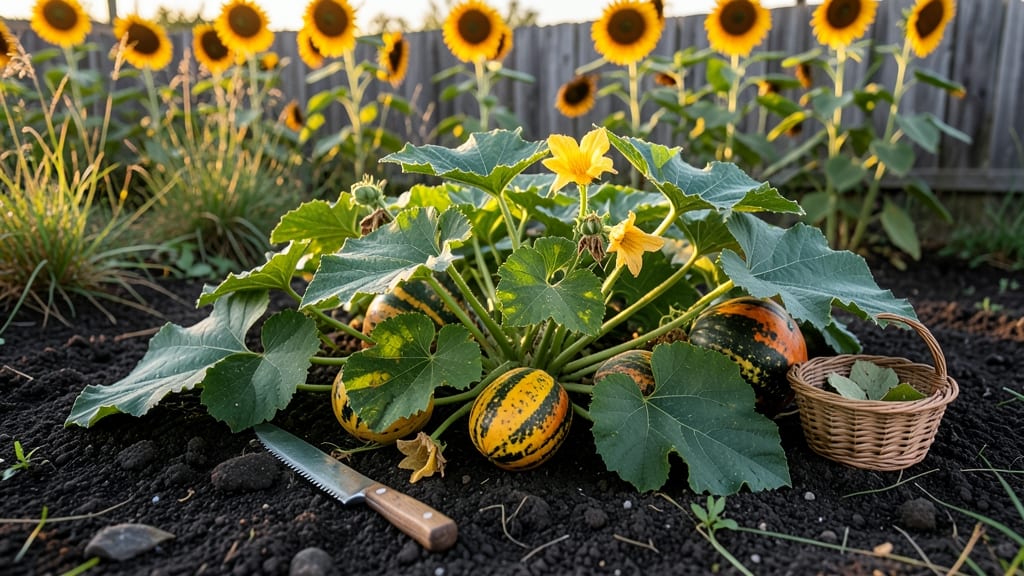
The flavor of carnival squash combines sweet, nutmeg-like warmth with subtle pumpkin and vanilla undertones, creating a versatile profile perfect for both savory and sweet dishes. Its rich, creamy texture makes it an excellent choice for soups, baked goods, and roasted preparations, setting it apart from milder squash varieties.
The carnival squash's unique taste profile comes from its natural sweetness balanced with earthy, slightly spiced notes that develop fully when cooked. 🌟 Unlike butternut squash, which leans more toward chestnut-like flavors, carnival squash offers a complex sweetness that pairs beautifully with cinnamon, ginger, and even dark chocolate.
This makes it particularly well-suited for desserts like spiced cakes or savory dishes like curried squash bowls.
What sets carnival squash apart is its ability to maintain its sweetness even when stored properly. When roasted with olive oil and a pinch of salt, its natural sugars caramelize beautifully, creating a texture that's both tender and satisfying.
The key to unlocking its full potential lies in cooking methods that enhance rather than overwhelm its delicate flavor profile.
💡 In This Article
- How Carnival Squash Flavor Differs From Other Winter Squash
- Best Culinary Uses for Carnival Squash’s Sweet-Spiced Profile
How carnival squash flavor differs from other winter squash
Carnival squash's flavor stands out because of its unique chemical composition, particularly its terpene profile. Unlike butternut squash, which contains higher levels of myrcene (a compound that contributes to its earthy, nutty taste), carnival squash has a more balanced ratio of linalool (vanilla-like) and terpinen-4-ol (citrusy, slightly spicy).
This combination creates its signature sweet-spice warmth that's more reminiscent of nutmeg or cinnamon than the chestnut notes found in acorn squash.
The texture difference is equally notable. Carnival squash has a denser, creamier flesh that breaks down into a velvety consistency when cooked, similar to pumpkin but with a firmer bite. When roasted at 375°F for 45-50 minutes, its natural sugars caramelize more slowly than butternut, preserving that delicate sweetness.
The skin, though edible, has a slightly tougher texture compared to the tender, papery skin of acorn squash.
Growing conditions play a crucial role in flavor development. Carnival squash thrives in well-drained, slightly acidic soil with plenty of sunlight, which enhances its natural sweetness. The longer it ripens on the vine, the more concentrated its sugars become—unlike pumpkins, which can become overly starchy if left too long.
This makes freshly harvested carnival squash taste noticeably sweeter than store-bought varieties, which often lose some of their natural oils during transport.
Here's how the flavors compare when cooked:
- Carnival: Sweet, nutmeg-like warmth with vanilla undertones (like a spiced cake)
- Butternut: Earthy, chestnut-like with slight maple sweetness (more like a savory risotto)
- Acorn: Nutty, slightly peppery with astringent bite (better raw or lightly roasted)
- Pumpkin: Mildly sweet with corn-like undertones (more neutral base)
The key to carnival squash's versatility lies in this perfect balance of sweetness and subtle spice. Unlike pumpkin, which can taste bland when overcooked, carnival squash maintains its complexity even after prolonged cooking.
This makes it ideal for recipes where you want flavor without overpowering other ingredients—like in soups or spiced desserts where it can shine alongside cinnamon or ginger.
What most home cooks don't realize is that carnival squash's flavor actually intensifies when stored properly. Unlike butternut, which can become dry and mealy, carnival squash retains its moisture and sweetness for weeks when kept in a cool, dark place with high humidity.
This makes it a fantastic pantry staple for those who love winter squash but want something more flavorful than your average pumpkin.