
Companion Plants
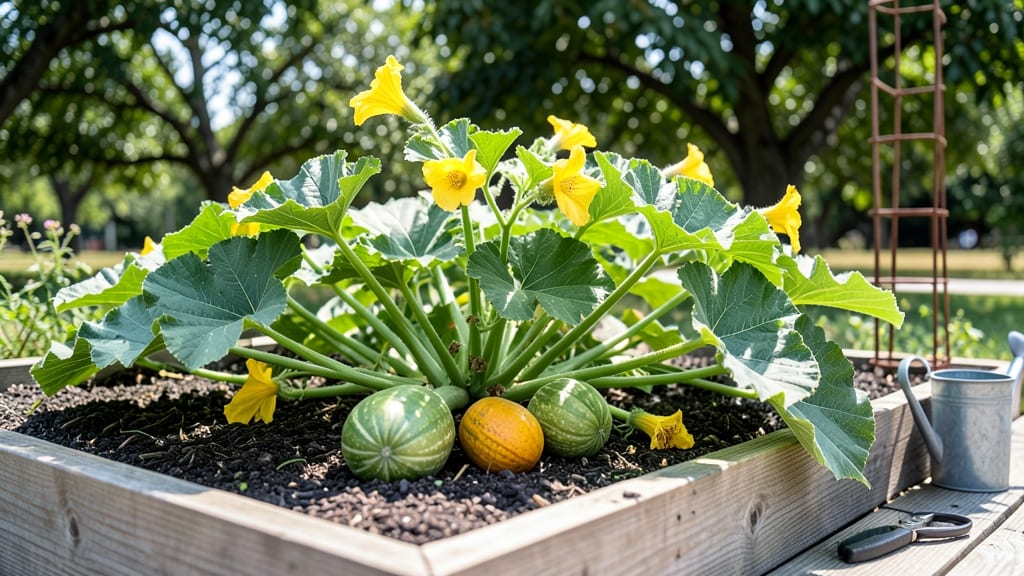
Fast-growing buttercup squash plants are my go-to for shady spots where other vining crops fail. 🌱 I’ve grown them in partial shade for years, and they still produce heavy 4-6 pound squash—no full sun required.
The secret lies in their adaptability and quick growth, which means you can go from seed to harvest in just 55-60 days. The key to success starts with soil: these plants thrive in well-draining, compost-rich soil with a pH between 6.0 and 6.8.
Unlike their sun-loving cousins, buttercup squash tolerates morning shade and afternoon dappled light, making them perfect for under trees or near north-facing walls. Just avoid soggy soil—they hate wet feet. You’ll know they’re happy when vines spread 6-10 feet and leaves stay a vibrant green.
Harvest when the rind turns hard and the stem dries where it meets the fruit—usually around mid-to-late summer. The flavor? Rich, nutty, and sweeter than store-bought. For beginners, focus on consistent watering (1-2 inches per week) and mulching to keep roots cool.
Experienced growers can experiment with trellising to save space, though vines are heavy—use sturdy supports. Pests like squash bugs are rare in shady spots, but keep an eye out for powdery mildew if humidity rises.
📚 In This Guide
- What you need
- Instructions
- Tips and common mistakes
- Wrapping up and next steps
What you need
- ● Buttercup squash seeds: 3–5 seeds per plant (or 1–2 plants per 3–4 sq ft of space). Choose heirloom varieties like Buttercup or Waltham Butternut for best results.
- ● Garden bed or containers: For in-ground planting: A well-draining, slightly acidic soil (pH 6.0–6.8) with 3–4 feet of space between vines.
- ● For containers: 5-gallon pots or larger (at least 12–18 inches deep) with drainage holes.
- ● Compost or organic matter: 2–3 cups mixed into the top 6–12 inches of soil to enrich nutrients.
- ● Mulch: Straw or shredded leaves (2–3 inches thick) to retain moisture and suppress weeds.
- ● Watering can or hose: With a gentle spray nozzle for consistent moisture.
- ● Fertilizer: Balanced organic fertilizer (10-10-10 or 5-5-5) at planting time.
- ● Low-nitrogen fertilizer (like 3-4-6) when vines start to run (4–6 weeks after planting).
- ○ Trellis or stakes (optional but helpful): For vertical growth—use 4–6 ft tall stakes or a strong trellis to support vines.
- ● Row covers or shade cloth: For early planting in cooler climates (30–50% shade fabric).
- ● Pruning shears: To trim excess vines or yellowing leaves.
- ● Soil pH tester: To ensure your soil is in the ideal range.
- ● Drip irrigation system: For automated, consistent watering.
- ● Companion plants: Marigolds or nasturtiums to deter pests!
Step-by-Step instructions for growing buttercup squash in partial shade
Here’s how to grow these productive vines in less-than-ideal light—no full sun required.
🌱 Step 1: Start Seeds Indoors or Transplant Young Plants
Buttercup squash thrives when started indoors 4-6 weeks before your last frost date, giving vines a head start in cooler climates. Use biodegradable pots (like peat or coconut fiber) to avoid disturbing roots later. Fill them with sterile seed-starting mix and plant 2-3 seeds per pot at a depth of 1 inch. Press gently but don’t compact the soil—roots need room to spread.
Keep the mix moist (not soggy) and maintain soil temperatures at 70-85°F for fastest germination, which typically occurs in 5-10 days. If transplanting, choose 4-5 week-old seedlings with 3-4 true leaves—avoid larger plants, which struggle to adjust. Harden off seedlings by gradually exposing them to outdoor conditions for 7-10 days before planting.
☀️ Step 2: Select the Right Shady Spot and Prepare Soil
Buttercup squash tolerates partial shade (4-6 hours of morning sun), but it needs well-draining, nutrient-rich soil to compensate. Amend your garden bed with 2-3 inches of compost and a balanced organic fertilizer (like 5-5-5) mixed into the top 6 inches of soil. These vines are heavy feeders, so don’t skimp—poor soil leads to weak vines and small fruit.
Choose a location with shelter from strong winds, which can damage sprawling vines. If your soil drains poorly, mound it into a 6-inch-high ridge to prevent waterlogging. Buttercup squash roots run deep, so loose, airy soil is key. Test drainage by digging a hole, filling it with water, and checking if it drains within 30 minutes—if not, add more compost or sand.
🪴 Step 3: Plant and Train Vines for Maximum Yield
Set out seedlings or transplants when soil reaches 60°F and all frost risk has passed. Space plants 3-4 feet apart in rows 5-6 feet apart—this gives vines room to sprawl without crowding. Plant 2 seeds per hill and thin to the strongest seedling once true leaves appear. Bury the stem slightly deeper than it was in the pot to encourage stronger root growth at the base.
Use trellises or sturdy cages to train vines upward, saving space and improving air circulation (which reduces disease risk). Secure vines with soft garden twine every 12 inches as they grow. Buttercup squash produces both male and female flowers—look for tiny squash at the base of female blooms (they’ll grow into fruit) within 45-55 days of planting. Remove male flowers if you want to focus energy on fruit development.
💧 Step 4: Water and Feed for Continuous Harvests
Keep soil evenly moist—never soggy—especially during flowering and fruiting. Water at the base of plants in the early morning to prevent fungal diseases like powdery mildew. Aim for 1-1.5 inches of water per week, more if temperatures exceed 85°F. Mulch with 2-3 inches of straw or shredded leaves to retain moisture and suppress weeds, which compete for nutrients.
Feed plants every 2-3 weeks with a liquid fertilizer (like fish emulsion or compost tea) to support heavy fruiting. Buttercup squash produces golden, 4-6 inch fruits with a sweet, nutty flavor—harvest when they’re firm and fully colored, usually 50-60 days after flowering. Use a sharp knife or pruners to cut stems, leaving a 1-inch stem attachment to prevent rot.
✂️ Step 5: Prune and Extend the Harvest Season
Remove yellowed or diseased leaves immediately to keep plants healthy. If vines become overcrowded, prune back excess growth to focus energy on fruit production. Buttercup squash continues producing as long as conditions are right—harvest every 3-5 days to encourage more blooms. Store fruits in a cool, dry place (50-55°F) for up to 2 weeks, or preserve them by roasting, baking, or freezing.
After the first frost, cut vines down to ground level and compost the remains. Next season, rotate planting locations to prevent soil-borne diseases. With proper care, one plant yields 6-10 squash, making it one of the most fast-growing and productive summer crops for shady gardens.
Tips & tricks for growing buttercup squash in shady gardens
These insider tricks will help you maximize your buttercup squash harvest even when full sun isn't an option.
Soil Temperature Secret: Those 70-85°F soil temperatures in Step 1 aren't just numbers—they're critical for germination. Use a seedling heat mat if your home stays cooler than 65°F during the day. I've seen germination times stretch to 14 days when soil stays below 60°F, so don't rush it. A simple thermometer probe in the seed mix will give you real-time data to adjust your setup.
Wind Protection Strategy: Buttercup squash vines can reach 10 feet long, making them vulnerable to wind damage in Step 2. Beyond choosing sheltered spots, consider adding temporary windbreaks made from straw bales or woven willow mats if your garden is exposed. These provide protection without blocking needed morning light. I learned this after watching my first plants get shredded in a late spring storm.
Flower Identification: In Step 3, those 45-55 days until fruiting can feel like forever! Here's how to tell female flowers apart: they have tiny squash forming at their base (like a miniature version of the mature fruit). Male flowers have long stems with no bulges. Removing male flowers redirects the plant's energy to fruit production—just be gentle to avoid damaging the vines.
Watering Precision: The 1-1.5 inches per week guideline in Step 4 is a baseline, but morning watering is non-negotiable. I've seen powdery mildew appear within 48 hours when leaves stay wet overnight. Use a rain gauge or tuna can to measure your water output—it's shocking how much we often overestimate! For container growing, check soil moisture daily during heatwaves.
Pro Tips for Buttercup Squash Plants
- These insider tricks will help you maximize your buttercup squash harvest even when full sun isn't an option.
- Soil Temperature Secret: Those 70-85°F soil temperatures in Step 1 aren't just numbers—they're critical for germination.
- Wind Protection Strategy: Buttercup squash vines can reach 10 feet long, making them vulnerable to wind damage in Step 2.
Frequently asked questions
Got questions about growing buttercup squash? You’re not alone!
Whether you're a first-time gardener or a seasoned pro, these answers will help you cultivate thriving vines—even in shady spots. Let’s dive in.
How long does it take for buttercup squash plants to mature?
Buttercup squash typically matures in 70–85 days from transplanting, depending on your climate and growing conditions. In cooler regions, start seeds indoors 2–3 weeks before the last frost for a jumpstart. Pro tip: Use row covers early in the season to extend the growing period and protect young plants from chilly nights.
Can buttercup squash grow in partial shade?
Buttercup squash thrives in partial shade (4–6 hours of sunlight daily), making it perfect for shady gardens or containers near trees. Just ensure they get some morning sun to prevent leggy vines. Warning: Too little light (under 4 hours) may reduce yields, so monitor growth closely.
What pests or diseases should I watch for with buttercup squash?
Common issues include cucumber beetles, powdery mildew, and squash vine borers. To prevent pests, use row covers early in the season and handpick beetles. For mildew, improve airflow and avoid overhead watering. Quick fix: Spray plants with neem oil at the first sign of trouble.
How do I know when buttercup squash is ready to harvest?
Harvest when squash are 6–8 inches in diameter and skin turns a deep yellow-orange. Press gently—if it yields slightly, it’s ripe! Use a sharp knife or pruners to avoid damaging the vine. Storage tip: Store in a cool, dry place (50–55°F) for up to 2 weeks.
What can I plant near buttercup squash for companion planting?
Great companions include beans, peas, radishes, and herbs like basil or dill, which deter pests. Avoid planting near potatoes or other squash varieties, as they compete for nutrients. Bonus: Marigolds repel nematodes—plant them around the edges of your squash patch!
Wrapping up and next steps
Growing buttercup squash plants is a fantastic way to bring vibrant color and delicious harvests to your shady garden—even in tight spaces! These fast-growing vines thrive with minimal fuss, making them perfect for beginners or urban gardeners.
Now that you’re armed with the right tips, why not plant a few this season? Start by selecting a spot, prepping the soil, and watch your garden transform into a lush, edible oasis. Happy gardening! 🌱✨