
Picking
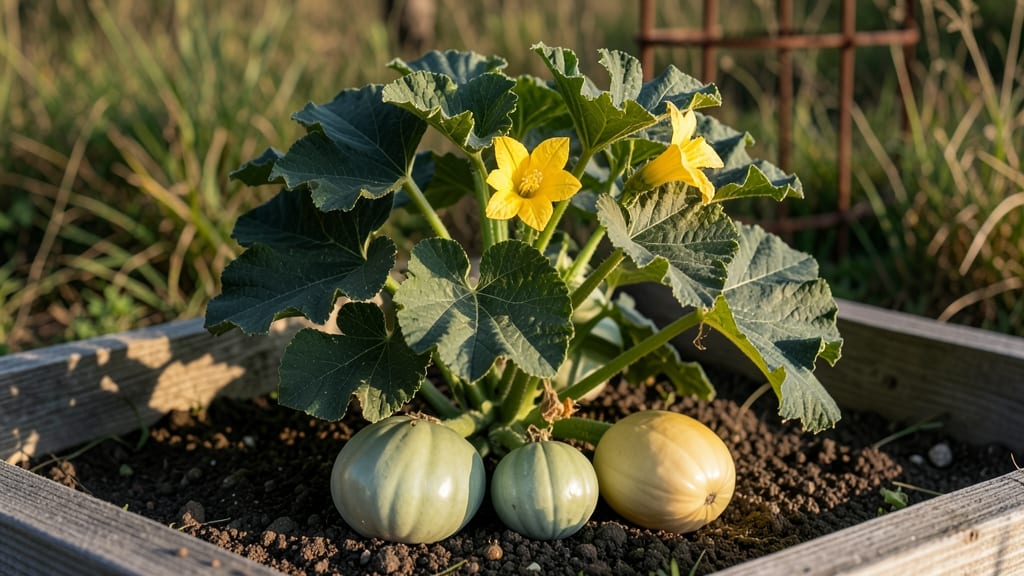
Growing bush summer squash is the fastest way to turn a patch of garden into a summer bounty—50 days from seed to harvest, no waiting around. 🌱 I planted my first row last June and went from tiny seedlings to a table full of tender yellow squash in under two months, and the best part?
No sprawling vines taking over the yard. The secret to this speedy harvest lies in rich soil, consistent water, and full sun—no fancy equipment needed.
Start with a well-draining mix (compost helps), plant seeds 1 inch deep and 3 feet apart, and keep the soil moist but not soggy. Bush varieties like 'Bush Crookneck' stay compact, so they’re perfect for small spaces or containers.
You’ll know it’s time to harvest when the squash are 6-8 inches long and still firm to the touch. Check plants every 2-3 days in peak season—they grow that fast!
The first few might be small, but once they get going, you’ll have pounds of squash ready for grilling, sautéing, or freezing. Troubleshoot powdery mildew by spacing plants properly and watering at the base, not the leaves.
Pair them with marigolds or nasturtiums to keep pests away, and you’ll have a nearly foolproof summer harvest every time. Ready to get started?
📚 In This Guide
- What you need
- Instructions
- Tips and common mistakes
- Wrapping up and next steps
What you need
- ● Bush summer squash seeds: Choose a variety like 'Bush Early Gold' or 'Eight Ball' (1–2 oz packet, ~100–200 seeds).
- ● Garden soil: Well-draining, compost-amended soil (pH 6.0–7.0). Test or amend if needed.
- ● Compost or fertilizer: Balanced 10-10-10 or organic options (e.g., worm castings).
- ● Water: Consistent access to 1–2 inches per week (drip irrigation or hose).
- ● Garden space: Full sun (6+ hours/day) in a raised bed, containers (12"+ depth), or in-ground plot.
- ○ Gardening gloves: Optional but helpful for handling soil/seeds.
- ● Trowel or transplant tool: For planting seeds or seedlings.
- ● Mulch (straw or shredded leaves): To retain moisture and suppress weeds.
- ● Harvesting knife or pruners: For clean cuts when picking squash.
- ● Seedling trays (if starting indoors 2–3 weeks before last frost).
- ● Row covers (to protect from pests early on).
- ● Trellis or stakes (if growing vining varieties, though bush types don’t need them!).
- ● Soil moisture meter (to monitor watering needs).
Step-by-step instructions for growing bush summer squash
Here's how to get a quick, abundant harvest in just 50 days—no sprawling vines required.
🌱 Step 1: Prepare Soil and Plant Seeds at the Right Time
Summer squash thrives in warm soil, so wait until after your last frost date when nighttime temperatures stay above 55°F. Work 2-3 inches of compost into the topsoil to loosen it and improve drainage—bush varieties hate soggy roots. I like to test soil moisture by squeezing a handful; it should crumble easily when dry but not feel powdery.
Plant seeds 1 inch deep and 2-3 inches apart in hills spaced 3-4 feet apart. This air circulation prevents powdery mildew, a common issue with summer squash. I drop 3-4 seeds per hill for better germination rates, then thin to the strongest seedling once they're 2 inches tall—don't pull them, just snip at soil level to avoid disturbing roots.
☀️ Step 2: Provide Consistent Water and Full Sun
Water deeply once a week (or more in extreme heat) to encourage strong root growth. The key is keeping soil evenly moist—not soggy, not bone-dry. I check by sticking my finger 1 inch down; if it feels dry, it's time to water. Mulch around plants with 2-3 inches of straw to retain moisture and suppress weeds, which compete for nutrients.
Bush summer squash demands 6-8 hours of direct sun daily. If your garden gets afternoon shade, choose a compact variety like 'Bush Crookneck' or 'Eight Ball'—they produce well even with slightly less sun. You'll know they're happy when leaves stay deep green and stems grow sturdy, not leggy.
🌿 Step 3: Fertilize and Prune for Maximum Yield
Feed plants with a balanced 10-10-10 fertilizer when they first flower, then again every 3-4 weeks during fruiting. I mix it into the soil around the base, keeping it 3 inches away from stems to avoid burning roots. Over-fertilizing leads to leafy growth at the expense of fruit—watch for lush foliage but no squash.
Remove any yellow or diseased leaves immediately to redirect energy to fruit production. I also pinch off the first few flowers if the plant looks stressed—this helps it focus on establishing roots before heavy fruiting. Bush varieties rarely need pruning, but if stems get overcrowded, trim back 10-15% of the foliage to improve airflow.
⏰ Step 4: Harvest at Peak Ripeness for Best Flavor
Check plants every 2-3 days starting 50 days after sowing. Summer squash is ready when fruits are 6-8 inches long, firm to the touch, and have smooth, glossy skin. I harvest in the morning when skins are coolest—this preserves crispness. Use a sharp knife or pruners to cut stems, leaving a ½-inch stem attached to prevent bruising.
Don't let squash grow too large—oversized fruits become tough and seedy. If you miss a harvest window, pick them anyway; they'll still be edible but less tender. Store in a cool, dry place for up to 1 week, or freeze for later use. The more you harvest, the more the plant produces—this is how you get that fast, abundant yield.
Tips & tricks for perfect bush summer squash growth
Here’s how to turn that 50-day promise into a reality—without common pitfalls derailing your harvest.
Timing Secret: The 55°F nighttime temperature threshold is non-negotiable for germination. I’ve seen seeds rot in cooler soil, so use a soil thermometer if your climate is borderline. Plant when daytime temps hit 70°F consistently—this jumpstart accelerates growth by 3-4 days compared to waiting for perfect conditions. For northern gardens, consider using black plastic mulch to warm the soil faster.
Planting Layout: Those 3-4 feet between hills might seem generous, but trust me—crowding leads to powdery mildew. I’ve lost entire plants to this fungus when spacing was too tight. If space is tight, opt for compact varieties like 'Eight Ball' and stick to the 3-foot spacing maximum. The air circulation from proper spacing also reduces slug damage, which is a sneaky summer squash enemy.
Watering Wisdom: The "once a week" guideline works in moderate climates, but in heatwaves, you’ll need to water every 2-3 days. I test by pushing a finger 1 inch deep—if it’s dry, water until moisture reaches 2 inches down. Morning watering prevents fungal issues, and the mulch layer (2-3 inches of straw) keeps moisture consistent without overwatering. Overhead watering? Do it early in the day so leaves dry completely before nightfall.
Harvest Hack: That 2-3 day checking frequency pays off—squash left on the vine beyond 8 inches gets seedy and tough. I harvest with a sharp knife at the stem’s base, leaving that ½-inch stub to prevent bruising. For continuous production, pick every other day once fruiting starts. The plant responds by producing more flowers, creating a virtuous cycle of harvests every 3-5 days during peak season.
Pro Tips for Bush Summer Squash
- Here’s how to turn that 50-day promise into a reality—without common pitfalls derailing your harvest.
- Timing Secret: The 55°F nighttime temperature threshold is non-negotiable for germination.
- Planting Layout: Those 3-4 feet between hills might seem generous, but trust me—crowding leads to powdery mildew.
Frequently asked questions
Got questions about growing bush summer squash? You’re not alone! Here are answers to the most common queries to help you grow like a pro—no guesswork required.
How do I know when bush summer squash is ready to harvest?
Look for squash that’s 6–8 inches long, firm to the touch, and a vibrant yellow, green, or gold (depending on the variety). The skin should be smooth and glossy, not tough or dull. Use a sharp knife to avoid bruising—harvest in the morning for the best flavor!
How often should I harvest bush summer squash?
Check your plants every 2–3 days once they start producing. Regular harvesting (picking 3–5 squash per plant weekly) encourages more growth. If left too long, squash can become oversized, seedy, and bitter—so stay on top of it!
Can I substitute bush summer squash for zucchini in recipes?
They’re cousins in the cucurbit family and can be swapped 1:1 in most dishes. Bush varieties like ‘Yellow Crookneck’ or ‘Early Prolific’ work great in stir-fries, soups, or grilled dishes. Just note that yellow squash tends to be sweeter than green zucchini.
What should I do if my bush summer squash plants have holes or wilting leaves?
Holes? Likely squash vine borers—handpick larvae or use row covers early in the season. Wilting leaves could mean powdery mildew (a fungal issue). Improve airflow, avoid overhead watering, and treat with neem oil if needed. Crop rotation helps prevent future problems!
Do bush summer squash need full sun, or can they tolerate partial shade?
They thrive in full sun (6–8+ hours daily), but can tolerate 4–6 hours of sun in cooler climates. In shadier spots, expect smaller yields and slower growth. If possible, place them in the sunniest spot—your squash will thank you with bigger, tastier harvests!
Wrapping up and next steps
Bush summer squash is a fantastic choice for gardeners eager to enjoy fresh, homegrown produce quickly—especially when you’re short on space or time! 🌱 With its fast growth (50 days or less!) and abundant yields, this versatile veggie is perfect for beginners and seasoned growers alike.
Whether you're whipping up zucchini bread, stir-fries, or grilled squash, you’ll love the sweet, tender rewards of your labor.
Now that you’re armed with the best varieties, planting tips, and troubleshooting tricks, it’s time to roll up your sleeves and get growing! 🌿 Start with just a few seeds or seedlings, and soon you’ll be harvesting enough to share with neighbors—or freeze for later. Happy gardening!