
Vegetables
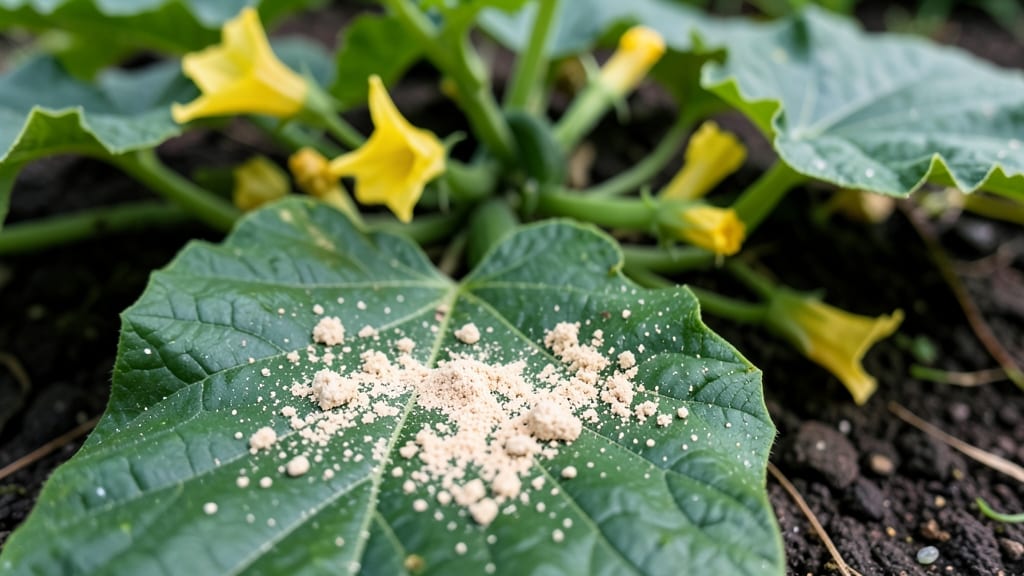
When squash vine borers chew through your zucchini stems, Bt (Bacillus thuringiensis) is the organic spray that saves your harvest. ✨ I’ve lost entire plants to these pests until I discovered how this natural bacteria stops larvae in their tracks—without harming your garden’s good guys.
The magic happens when larvae eat Bt spores, which disrupt their digestive systems. It’s not a quick fix—you’ll need to apply it every 7-14 days during borer season—but the results are worth it. Your plants stay strong, and you avoid the heartbreak of wilted vines collapsing overnight.
You’ll mix it like a fine powder in water, spray it at dusk when bees are less active, and watch your squash thrive. The best part? It’s safe for pets, kids, and beneficial insects, making it the guilt-free choice for organic gardeners.
Still unsure? We’ll cover when to spray, how often, and what to do if borers strike despite your best efforts. No more helplessly watching your garden fall apart—this is how you fight back.
Root Causes of Vine Borer Attacks
Understanding why squash vine borers target your plants is the first step in preventing them—and Bacillus thuringiensis (BT) is your organic secret weapon. These pests don’t strike randomly; they’re drawn to specific conditions that make your squash and cucumber plants irresistible.
Let’s break down the science behind their behavior so you can outsmart them.
Squash vine borers (SVBs) are master chemists—they detect volatile organic compounds (VOCs) emitted by stressed or overripe plants. When your squash leaves wilt, turn yellow, or develop bruises (even from hail or wind), they release jasmonic acid and other stress signals.
These compounds act like a neon "DINNER IS SERVED" sign for female moths, which lay eggs near the most vulnerable spots.
Why it matters:
- Overwatering or underwatering weakens plants, making them leak stress hormones.
- Poor soil drainage causes root rot, which triggers VOC emissions.
- Older, larger leaves (especially near the base) are prime egg-laying zones because they’re nutrient-rich.
Actionable fix: 💡 Monitor plant health daily—remove yellowed or damaged leaves before they become a buffet. Use mulch to retain moisture evenly and reduce stress signals.
Here’s the counterintuitive truth: SVB moths prefer young, thriving plants for their larvae. Why? Healthy vines have tender stems packed with sugars and nutrients—perfect for burrowing caterpillars.
Female moths (which emerge in late spring/early summer) use visual cues like lush foliage and tactile signals (vibrations from healthy growth) to select egg-laying sites.
Why it matters:
- Fast-growing varieties (like straight-neck squash) are high-risk because their rapid expansion attracts moths.
- Early-season plantings (before natural predators establish) give SVBs an easy target.
- Pruned or staked plants (with exposed stems) are easier for moths to access.
Actionable fix: 🌡️ Delay planting until after the last frost but before peak moth activity (check local agricultural extensions for timing). Use row covers for the first 3–4 weeks to block moths while plants establish.
Squash vine borers thrive in stable, warm environments—think of them as the pests equivalent of a cozy nest.
They avoid open, windy areas because: - Still air traps heat near the soil (ideal for egg hatching). - Dense foliage provides shade and humidity, slowing desiccation of newly hatched larvae. - Weedy or mulched beds offer hiding spots for overwintering pupae.
Why it matters:
- South-facing rows or black plastic mulch can raise soil temps by 10°F+, speeding up larval development.
- Low-lying areas (where cold air pools) may delay pupation but create prime egg-laying zones once warm.
- Companion plants like corn or tall sunflowers can shield borers from predators.
Actionable fix: ✨ Space plants for airflow (18–24" apart) and avoid thick mulch near stems. Plant borer-repellent companions like marigolds, thyme, or nasturtiums to disrupt their microclimate.
In nature, squash vine borers face a gauntlet of predators—but organic gardens often lack their usual allies.
Without intervention, moth populations explode because: - Birds (like sparrows and starlings) eat eggs and pupae but avoid dense plantings. - Parasitic wasps (e.g., Apanteles species) lay eggs inside SVB larvae, but they need diverse ecosystems to thrive. - Ground beetles and soldier beetles hunt larvae but are outcompeted by synthetic pesticides.
Why it matters:
- Monoculture gardens (rows of only squash) starve predators of alternative prey.
- Late-season plantings miss the window when predator populations peak.
- Over-tilling destroys pupae and beneficial insects indiscriminately.
Actionable fix: 🎯 Encourage biodiversity with flower borders (dill, fennel, or cosmos) to attract predators. Release beneficial nematodes (Steinernema carpocapsae) in early summer to target pupae in the soil.
SVB moths have a precise biological clock. They emerge in two waves:
- First generation (late May–June): Targets young vines.
- Second generation (July–August): Attacks mature plants with thick stems.
If your squash is at the right stage when moths arrive, you’re in trouble. For example:
- Butternut squash (slow to mature) may face both waves.
- Zucchini (fast growers) get hit hardest by the first wave.
Why it matters:
- Early blooms (like those on cucumbers) signal peak larval activity.
- Nighttime flights (moths are nocturnal) mean eggs are laid after you’ve finished pruning.
Actionable fix: 🔥 Stagger plantings every 2 weeks to disrupt the moths’ lifecycle. Use yellow sticky traps at plant height to monitor adult activity and time your BT applications accordingly.
Squash vine borers don’t attack randomly—they’re following a chemical, environmental, and temporal script. By disrupting their cues (stress signals, shelter, predators, and timing), you can dramatically reduce their impact—and that’s where BT comes in.
This organic spray targets only the larvae after they hatch, giving you a precise, chemical-free way to break the cycle.
Fixing Squash Vine Borer Damage
Now that you understand the causes behind squash vine borer infestations, let’s tackle the solutions—starting with immediate fixes and moving to preventative measures to keep your squash thriving. Whether you’re dealing with a fresh outbreak or want to stop future attacks, these strategies are your best defense.
Catching squash vine borers early is key. If you spot frass (sawdust-like droppings) near the base of your plants or notice wilted, yellowing vines, act fast.
What to do:
- 🔪 Cut open the stem (gently!) to check for larvae. If you find them, remove the infested section immediately.
- 🌱 Prune damaged leaves to reduce hiding spots for adult moths.
- 🔥 Burn or bury infested plant debris (never compost it—this spreads eggs!).
Pro Tip: 💡 Check plants in the morning when larvae are sluggish and easier to spot.
Bacillus thuringiensis (BT) is the gold standard for organic growers. This natural bacterium targets borer larvae without harming bees, birds, or beneficial insects.
How to apply BT effectively:
- 👨🍳 Mix BT with water (follow label instructions—usually 1–2 tbsp per gallon).
- 🥘 Spray thoroughly on leaves, stems, and soil (larvae crawl from the ground).
- ⏰ Reapply every 7–14 days or after rain (BT breaks down quickly).
- 🌡️ Best applied in the evening to avoid UV damage.
Pro Tip: ✨ Add a bit of dish soap (1 tsp per gallon) to help the spray stick to leaves.
Prevent adult squash vine borer moths from laying eggs in the first place.
Try these methods:
- 🧶 Row covers (floating fabric) – Cover young plants with lightweight mesh (1–2 months after planting). Remove when flowers appear to allow pollination.
- 🥕 Collar traps – Wrap the base of stems with cardboard or aluminum foil (1–2 inches high). Moths lay eggs here instead of the main stem.
- 🌿 Interplant with repellent herbs – Dill, basil, or marigolds deter moths naturally.
Pro Tip: 🎯 Rotate crops—don’t plant squash, cucumbers, or melons in the same spot yearly (moths return to familiar areas).
Healthy squash plants are less attractive to borers. Boost their resilience with:
- 💪 Proper watering – Keep soil consistently moist (not soggy) to discourage moths.
- 🥗 Nutrient-rich soil – Add compost or balanced organic fertilizer (high in nitrogen early, then potassium/phosphorus).
- 🌿 Mulch heavily – Straw or grass clippings suppress weeds (which attract moths) and retain moisture.
Pro Tip: 🔥 Avoid over-fertilizing with nitrogen—soft, fast-growing plants are borer magnets.
To eliminate squash vine borers for good, disrupt their life cycle:
| Step | Action | Why It Works |
|---|---|---|
| 🌱 Clean up debris | Remove all plant remains in fall/winter. | Stops overwintering larvae. |
| 🐛 Trap adult moths | Use pheromone traps (available at garden centers). | Reduces egg-laying by 50–70%. |
| 🌿 Plant resistant varieties | Try ‘Butternut Squash’ or ‘Straightneck Yellow Summer Squash’—some are less appealing. | Fewer eggs laid = fewer borers. |
| 🕰️ Time your planting | Start seeds indoors and transplant after last frost (moths emerge in late spring). | Borers haven’t hatched yet! |
If BT and barriers fail, hand-pick larvae for a quick fix:
- 🔪 Slice open the stem with sterilized scissors.
- 🪰 Fish out larvae with tweezers (wear gloves!).
- 🔥 Drop them in soapy water to kill them instantly.
- 🌱 Treat the wound with a BT spray to prevent reinfestation.
Warning: ⚠️ Do this in the morning—larvae are less active and easier to remove.
✅ Monitor plants weekly (especially stems and leaves). ✅ Apply BT every 10–14 days (or after rain). ✅ Use row covers for young plants. ✅ Remove and destroy infested stems immediately. ✅ Rotate crops and clean up debris yearly.
By combining BT sprays, physical barriers, and plant care, you’ll minimize damage and enjoy healthy, borer-free squash all season. 🍉🔥
Frequently asked questions
How long does BT take to kill squash vine borer larvae?
BT works quickly—larvae typically stop feeding within 1-2 hours after ingestion and die in 24-48 hours. The key is applying it before larvae hatch, so start sprays when you see wilting vines or frass (sawdust-like droppings) near stems.
Is BT safe for bees and other beneficial insects?
Yes! BT is completely safe for bees, ladybugs, and other pollinators since it only targets the gut of caterpillars like squash vine borers. Apply in the evening when bees are less active, and avoid spraying directly on flowers where bees forage.
Can I use BT if I have pets or small children?
Absolutely—BT is non-toxic to humans and pets. The bacteria in BT break down quickly in sunlight and don't persist in the environment. Just keep pets off treated plants until the spray dries to avoid accidental ingestion.
What's the best time of day to apply BT?
Apply BT in the late afternoon or evening to avoid UV damage from sunlight, which can reduce its effectiveness. Early morning applications work too, but avoid midday heat when larvae are least active.
How do I know if my squash vine borer problem is severe enough for BT?
If you see more than 10% of plants wilting or find frass near stems, it's time for BT. Check stems by cutting open the base—if you see larvae, apply BT immediately and reapply every 7-14 days during borer season (late spring to summer).