
Picking
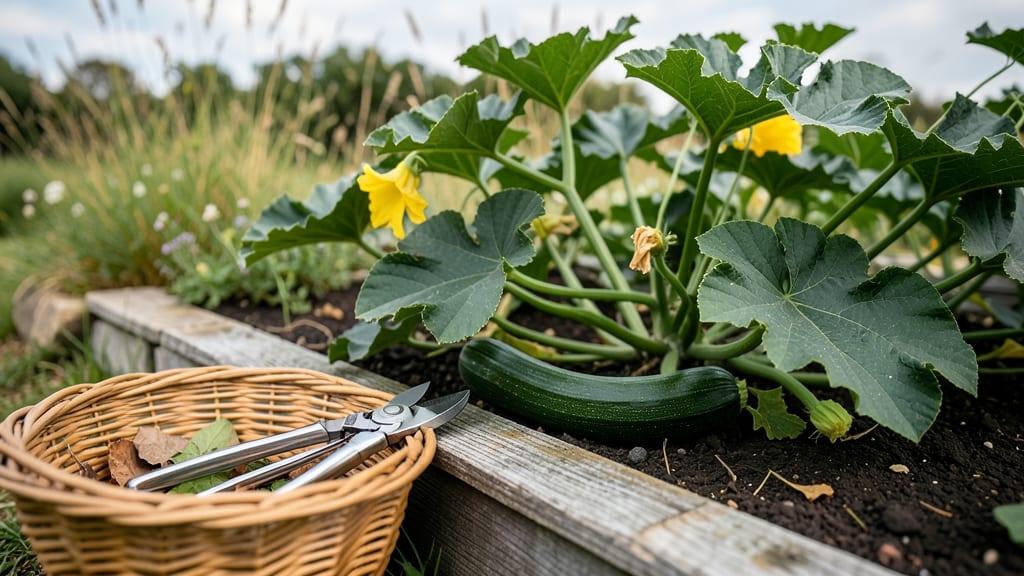
Growing these big zucchini squash in containers is the secret to backyard bragging rights—🌱 I’ve grown squash that weighed over 5 pounds—and it’s not as hard as it sounds. The key lies in choosing the right variety, giving roots plenty of space, and feeding them like they’re royalty.
Start with a 15-gallon container or larger, filled with compost-rich soil that drains well but holds moisture. Plant seeds 1 inch deep, 2-3 per container, and thin to the strongest stem once sprouts appear.
These squash need room to sprawl, so choose a sturdy pot or a large fabric grow bag. Within 45-55 days, you’ll see flowers, and if pollinated, those flowers turn into squash the size of baseball bats.
The trick is consistent watering—1-2 inches per week—and a balanced fertilizer every 2 weeks once vines start running. Prune suckers (those little shoots at the base) to focus energy on fruit production. Even in small spaces, you can grow squash that outshine grocery store finds.
The key is patience and a little extra care—your neighbors won’t believe what’s growing in your containers!
📚 In This Guide
- What you need
- Instructions
- Tips and common mistakes
- Wrapping up and next steps
What you need
- ● Container: At least 5-gallon bucket or larger (minimum 18-inch diameter and 12-inch deep). Fabric grow bags or wooden barrels work too!
- ● Zucchini seeds: 2–3 seeds per container (choose heirloom or hybrid varieties like ‘Black Beauty’ or ‘Eight Ball’ for big yields).
- ● Potting mix: High-quality, well-draining mix (avoid garden soil—it compacts!). Look for organic or container-specific blends.
- ● Compost or worm castings: 1–2 cups per container (boosts nutrients and soil structure).
- ● Slow-release fertilizer: Balanced 10-10-10 or organic option (follow package rates).
- ● Mulch: Straw or shredded leaves (3–4 inches thick) to retain moisture and deter weeds.
- ● Gloves (to protect your hands from prickly vines).
- ● Trowel or small shovel (for planting and transplanting).
- ● Watering can or hose with gentle spray (zucchini hates soggy roots!).
- ○ Trellis or cage (optional): 5–6 ft tall to support vines and save space (great for small balconies!).
- ○ Pruning shears (optional): For trimming excess leaves or vines to improve airflow.
- ○ Plant supports (optional): Stakes or tomato cages if growing bush varieties.
- ● Sunlight: 6+ hours of direct sun daily (south- or west-facing spots are ideal).
- ● Warmth: Wait until soil temps are 60°F+ (use a soil thermometer if unsure).
- ● Water: Consistent moisture—1–2 inches per week (adjust for heatwaves!).
- ● Patience: Zucchini grows fast, but giant squash takes 50–60 days from seed to harvest!
Step-by-step instructions for growing giant zucchini in containers
Here’s how to coax those massive, ribbed squash from your patio—no yard required.
🪴 Step 1: Choose the Right Container and Soil Mix
Pick a 5-gallon container (minimum) with drainage holes—zucchini roots need room to spread. I use fabric grow bags because they breathe and prevent root-bound stress. Fill the bottom third with coarse perlite or gravel for drainage, then add 2 gallons of high-quality potting mix mixed with 1 cup compost for nutrients.
Tap the container gently to settle the soil without compacting it. The mix should feel light but retain moisture—press it and it should hold shape but not crumble. Zucchini are heavy feeders, so I add a slow-release 5-10-10 fertilizer (1 tablespoon per plant) mixed into the soil. This ensures steady growth without burning roots.
🌱 Step 2: Plant Seeds or Transplants at the Right Time
Start seeds indoors 2-3 weeks before your last frost date, or buy sturdy transplants from a nursery. Plant 3-4 seeds per container (you’ll thin later) about 1 inch deep—zucchini seeds germinate best in warm soil (70-85°F). Cover lightly with soil and mist the surface until damp.
Place containers in a warm, sunny spot (or under a heat mat) until sprouts appear in 5-10 days. If using transplants, bury them 1 inch deeper than their nursery pot to stabilize the stem. This trick prevents them from toppling under the weight of giant squash later.
☀️ Step 3: Provide Full Sun and Consistent Watering
Move containers to a south-facing spot where they’ll get 6-8 hours of direct sun daily. Zucchini are sun-hungry—if leaves yellow or grow leggy, your light is insufficient. I supplement with a grow light on cloudy days to keep them thriving.
Water deeply 2-3 times per week, soaking until water runs out the drainage holes. Let the top 1-2 inches of soil dry between waterings—zucchini hate soggy roots but need steady moisture. Mulch with 1 inch of straw to retain moisture and keep soil cool.
🌿 Step 4: Fertilize and Prune for Bigger Squash
Feed plants every 2 weeks with a balanced liquid fertilizer (like 10-10-10) diluted to half strength. I also side-dress with compost tea mid-season for a nutrient boost. When vines reach the container edges, prune 1-2 leaves from the bottom to redirect energy to fruit production.
Watch for male and female flowers—female flowers have tiny squash behind them. Remove male flowers (no squash) to focus energy on the females. Once squash form, thin clusters to 2-3 per vine for larger, healthier fruits. Overcrowding leads to small, bitter zucchini.
⏰ Step 5: Harvest at Peak Size for Continued Production
Harvest when squash reach 6-8 inches long—this keeps plants producing. Use a sharp knife to cut stems, leaving a 1-inch stem attachment to prevent rot. Check vines every 2-3 days—zucchini grow fast and turn woody if left too long.
After harvest, feed plants again and remove old leaves to encourage new flowers. With proper care, a single container can yield 10-15 pounds of squash over the season. Save seeds from your biggest zucchini for next year’s giant harvest!
Tips & tricks for growing giant zucchini in containers
Here's what nobody tells you about maximizing those massive squash—tricks that'll turn your patio into a zucchini powerhouse.
Container Selection: While 5-gallon containers work, I've found that 7-gallon fabric grow bags give even more room for roots to spread without becoming root-bound. Look for containers with multiple drainage holes—at least four—to prevent waterlogging, which zucchini roots despise. If your container lacks drainage, drill holes yourself; it's worth the effort for healthy plants. The extra space helps those giant squash develop their signature ribbed texture.
Soil Temperature Secret: The instructions mention warm soil (70-85°F), but here's the thing: I've seen germination improve dramatically when soil reaches 80-85°F consistently. Use a soil thermometer to check—if it's cooler, place containers on a heat mat or wrap them in black plastic to absorb heat from the sun. Warm soil speeds up germination from 5-10 days to just 3-5 days, giving you a head start on the growing season.
Sunlight Strategy: While 6-8 hours of direct sun is ideal, I've found that zucchini actually thrive with more sun when possible. If your space gets afternoon shade, consider moving containers to a sunniest spot available—even if it means sacrificing a little morning sun. I've grown zucchini successfully with 8-10 hours of sun in containers, producing even larger squash. Just monitor leaf color—dark green means happy plants, while yellowing indicates insufficient light.
Harvesting Hack: When harvesting those 6-8 inch squash, I've discovered a trick to keep the plant producing: instead of cutting the stem completely, make a shallow cut just above the squash and leave the stem attachment longer than 1 inch. This preserves more of the plant's energy transfer system. Also, harvest in the morning after dew has dried—the squash will be fresher and less prone to bruising when you wash them later.
Pro Tips for Big Zucchini Squash
- Here's what nobody tells you about maximizing those massive squash—tricks that'll turn your patio into a zucchini powerhouse.
- Container Selection: While 5-gallon containers work, I've found that 7-gallon fabric grow bags give even more room for roots to spread without becoming root-bound.
- Soil Temperature Secret: The instructions mention warm soil (70-85°F), but here's the thing: I've seen germination improve dramatically when soil reaches 80-85°F consistently.
Frequently asked questions
Got questions about growing big zucchini squash?
Here are answers to the most common ones—whether you're a first-time gardener or a seasoned pro looking to maximize your harvest!
How do I know when my zucchini squash is fully ripe?
Pick your zucchini when it’s 6–9 inches long and still firm to the touch. The skin should be smooth and shiny, not bumpy or tough. If left too long, they’ll turn woody and seedy—so check them every 2–3 days once flowering begins!
Can I grow giant zucchini squash in containers?
Choose a 5-gallon container or larger with drainage holes and fill it with well-draining potting mix. Since zucchini vines spread, opt for a large fabric grow bag or deep pot (at least 12–18 inches deep). Just ensure it gets 6+ hours of sunlight daily and stake the plant if needed.
Why are my zucchini flowers falling off before fruiting?
This usually happens due to pollination issues (like cold weather, pests, or lack of bees). Hand-pollinate by gently transferring pollen from male (long-stemmed) to female (tiny fruit at base) flowers with a paintbrush. Avoid over-fertilizing with nitrogen—too much leafy growth = fewer flowers!
What’s the best temperature range for growing zucchini?
Zucchini thrives in warm soil (60–90°F) and full sun. Plant after the last frost when soil temps reach 55°F+. If nights dip below 50°F, use row covers or wait until warmer. Too hot (>95°F)? Provide afternoon shade to prevent blossom drop.
What can I do with extra zucchini if my harvest is too big?
Don’t let those giants go to waste! Freeze, pickle, or dehydrate slices for later. Try zucchini bread, fritters, or spiralized noodles. Share with neighbors or donate—one plant can yield 10+ squash! Need inspiration? Check out 50+ zucchini recipes to keep your kitchen busy.
Wrapping up and next steps
Growing big zucchini squash in containers is totally doable—even for beginners!
With the right soil, sunlight, and a little patience, you’ll soon be harvesting giant squash straight from your patio or balcony. 🌱 Whether you’re a space-conscious gardener or just love the thrill of oversized veggies, this method proves that big yields don’t need big plots.
Ready to dive in? Start by picking a healthy seedling or seed, then follow the steps above to set up your container garden. Before you know it, you’ll be sharing your monster zucchini with neighbors—or turning it into a showstopping dish! Happy growing! 🎉