
Vegetables
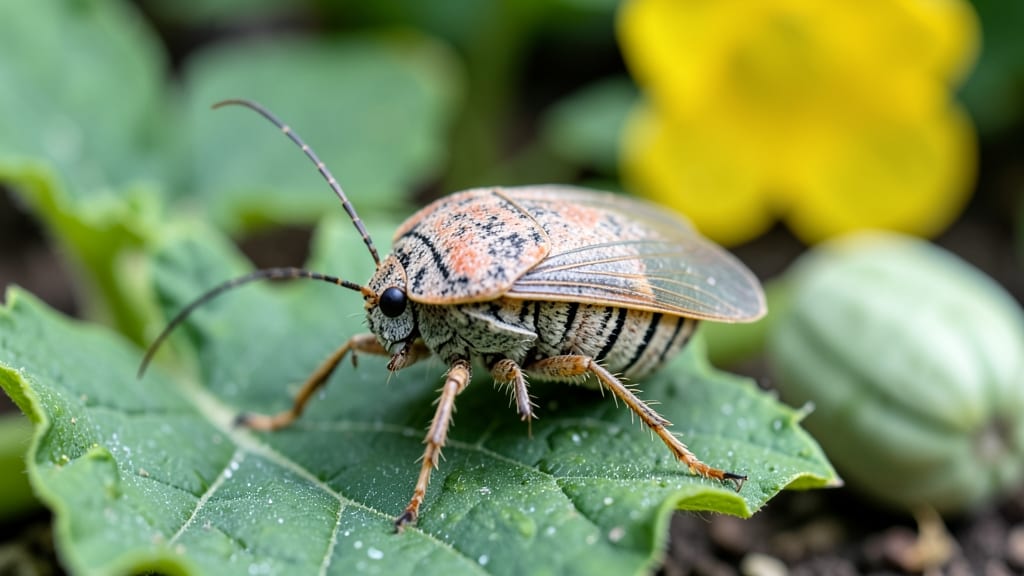
Yes, squash bugs are extremely bad for gardens, as their piercing-sucking mouthparts drain nutrients from squash, pumpkin, and melon vines, causing wilting, yellowing, and premature death. They also excrete a foul-smelling fluid that attracts mold and further stresses plants.
Squash bugs are one of the most destructive pests for cucurbit crops because they don't just feed—they inject toxic saliva that disrupts plant cell function. 🔥 Their life cycle accelerates damage, with eggs hatching into nymphs that continue feeding while adults lay more eggs.
The combined stress from feeding and their sticky excretions creates an ideal environment for fungal infections, often leading to complete crop failure if left unchecked. Unlike many pests, squash bugs target the plant's vascular system, making recovery nearly impossible once severe damage occurs.
What makes them particularly insidious is their preference for healthy, thriving plants—their favorite hosts are precisely the vigorous vines gardeners work hardest to cultivate. Their feeding patterns create distinctive patterns: small, irregular holes along leaf edges that expand into larger, browned areas as the infestation progresses.
The key to protection lies in early detection, as these pests can go unnoticed until they've already caused significant harm to your garden's most valuable crops.
💡 In This Article
- How Squash Bugs Destroy Plant Health
- Early Detection Methods for Squash Bugs
How squash bugs destroy plant health
Squash bugs inflict damage through a two-part biological attack: their piercing-sucking mouthparts and the toxic saliva they inject. When they feed, they penetrate plant cells and inject enzymes that break down cell walls, creating a direct pathway to sap and nutrients.
This process disrupts the plant's vascular system, similar to how a human might experience dehydration from severe blood loss. The injected saliva contains compounds that prevent the plant from sealing off the wound, allowing continuous nutrient leakage.
The damage escalates because squash bugs target cucurbit crops (squash, pumpkin, melons) specifically. These plants have high water content and soft stems, making them ideal hosts.
Adult squash bugs can consume up to 15 times their body weight in plant sap daily, while nymphs (young squash bugs) are equally destructive despite their smaller size. Their feeding creates irregular brown spots along leaf edges that expand into larger, necrotic areas as the plant's health declines.
The real devastation comes from their life cycle. Females lay 20-30 eggs in clusters on the undersides of leaves, which hatch into nymphs that immediately begin feeding. Each generation produces more bugs, creating an exponential growth pattern.
Their foul-smelling excretions don't just stress plants—they create a sticky residue that attracts mold and secondary pests, compounding the damage.
What most gardeners miss is how squash bugs prioritize healthy plants. They're attracted to vigorous vines with abundant sap flow, meaning your most productive crops become their primary targets. The feeding damage disrupts photosynthesis, causing leaves to yellow and curl while stems weaken.
In severe cases, entire vines collapse under the combined stress of nutrient loss and fungal infections that thrive in their excretions.
Consider this timeline: A single adult squash bug can lay eggs within 10 days of emerging, and nymphs mature in just 4-6 weeks. Without intervention, a garden can go from a few scattered bugs to a full-blown infestation in under two months.
The key to prevention lies in understanding this lifecycle and acting before the first eggs appear.