
Picking
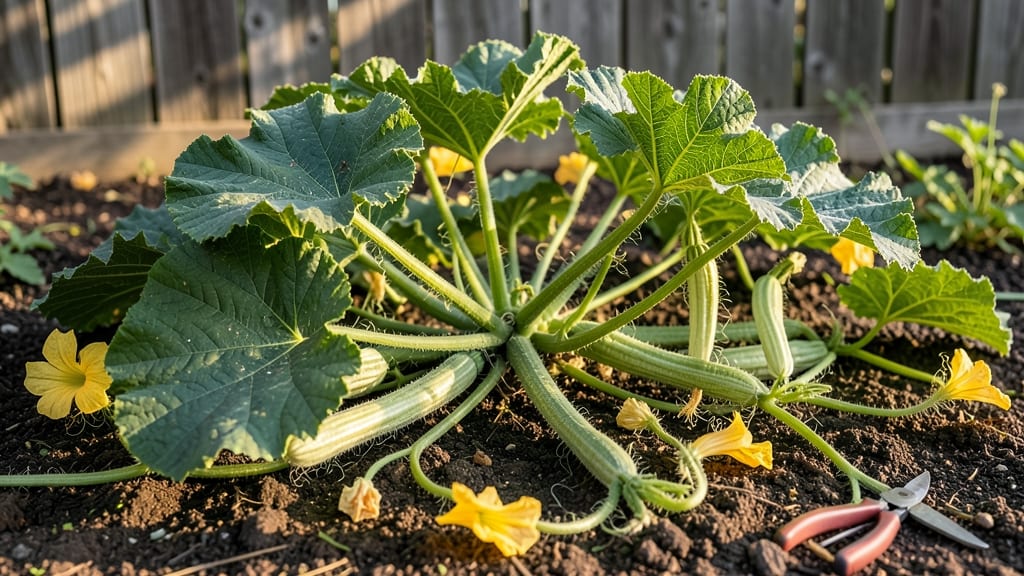
Growing angel hair squash in tiny spaces proves you don’t need a backyard for big harvests. 🌱 My first attempt last summer yielded 12 pounds from a 3-foot-by-3-foot patch—far more than I expected.
The secret lies in its compact vines and quick maturity, making it perfect for balconies, patios, or even large containers.
Start with well-draining soil rich in compost and plant seeds after the last frost when soil reaches 60°F. Space plants 18-24 inches apart in full sun, and watch for those delicate vines to appear in 5-7 days.
Unlike sprawling zucchini, angel hair squash stays tidy, so trellises aren’t necessary unless you want to save space.
Keep soil consistently moist but not soggy, and harvest when fruits are 6-8 inches long—before they toughen up. The flavor? Sweet, tender, and perfect for stir-fries or pasta. With proper care, you’ll harvest 3-5 times per plant, and the vines keep producing until frost.
Pests are rarely an issue, but watch for squash bugs—handpick them early. If powdery mildew appears, improve airflow and avoid overhead watering. This squash thrives in heat but struggles in humidity, so choose your growing spot wisely. Ready to try it?
📚 In This Guide
- What you need
- Instructions
- Tips and common mistakes
- Wrapping up and next steps
What you need
- ● Angel Hair Squash Seeds: 3–5 seeds per plant (or 10–15 seeds for a small harvest). Choose heirloom or hybrid varieties like 'Golden Delight' or 'Lady Godiva'.
- ○ Growing Containers (Optional but Recommended for Small Spaces): 5-gallon fabric pots (1–2 per plant) or
- ● Large plastic or wooden containers (at least 12" deep and 18" wide per plant).
- ● Potting Mix: 1–2 bags of high-quality, well-draining organic potting soil (avoid garden soil—it compacts easily). Mix in 1 part perlite or vermiculite per 3 parts soil for aeration.
- ● Compost or Worm Castings: 1 cup per container to enrich the soil with nutrients.
- ● Slow-Release Fertilizer: 1 tbsp of a balanced organic fertilizer (e.g., 5-5-5 or 10-10-10) per container.
- ● Gloves: A pair of gardening gloves to protect your hands from prickly vines.
- ● Trowel or Small Shovel: For transplanting seedlings or mixing soil.
- ● Watering Can or Hose with a Gentle Nozzle: Angel hair squash loves consistent moisture but hates soggy roots!
- ○ Trellis or Cage (Optional but Helpful): A 4–5 ft tall tomato cage or
- ● A DIY trellis made from bamboo stakes and twine (space vines 6–12" apart).
- ● Pruning Shears: To trim excess vines and encourage upward growth.
- ○ Mulch (Optional): Straw or shredded leaves to retain moisture and suppress weeds.
- ● Sunlight: A spot with 6–8 hours of direct sunlight daily (south-facing windows or balconies work great!).
- ● Warmth: Soil temperature should be at least 70°F (21°C) for seeds to germinate (use a seedling heat mat if needed).
- ● Space: Plants need 3–4 feet of vertical space (with a trellis) and 2–3 feet of ground space if not trellised.
- ● Patience: Angel hair squash takes 60–70 days to mature—plan ahead for a summer harvest!
Step-by-step instructions for growing angel hair squash
Here's how to cultivate these delicate, high-yielding vines—perfect for balconies or small gardens.
🌱 Step 1: Choose the Right Location and Prepare Soil
Angel hair squash thrives in full sun with at least 6-8 hours of direct light daily. If growing in containers, place them where they'll receive morning sun and afternoon shade during peak summer heat. The vines are compact but sprawling, so allocate 3-4 feet of space per plant or use a trellis to contain them vertically.
Amend your soil with compost or aged manure to ensure it's loose and fertile. Angel hair squash prefers a slightly acidic to neutral pH between 6.0-7.0. Work in a handful of balanced organic fertilizer (like 5-5-5) at planting time to encourage vigorous early growth. The soil should drain well but retain moisture—think of it as a damp sponge rather than a soggy one.
🌱 Step 2: Plant Seeds or Transplants at the Right Time
Start seeds indoors 4-6 weeks before your last frost date for an earlier harvest, or sow directly in the garden after soil temperatures reach 70°F. Plant seeds 1 inch deep and 2-3 inches apart in rows spaced 3 feet apart. If transplanting seedlings, space them 18-24 inches apart to allow room for vines to spread.
Here's the thing—angel hair squash seeds germinate best in warm soil. If your spring is cool, consider using a seedling heat mat to maintain soil temperatures above 60°F. Keep the soil consistently moist until germination, which typically occurs in 7-14 days. Once seedlings emerge, thin to the strongest plant per spot, leaving 12-18 inches between plants.
☀️ Step 3: Provide Support and Maintain Consistent Care
As vines grow, install a trellis or sturdy cage to support the plants. Angel hair squash produces delicate, hair-like tendrils that will naturally cling to support structures, but a trellis helps keep fruits off the ground and improves airflow. Prune any side shoots that form at the base of the plant to direct energy toward fruit production.
Water deeply 1-2 times per week, aiming for 1 inch of water per week. Let the top inch of soil dry out between waterings to prevent disease. Mulch around the base with straw or shredded leaves to retain moisture and suppress weeds. You'll know your plants are thriving when they produce yellow trumpet-shaped flowers—these are the precursors to your harvest.
✂️ Step 4: Harvest and Encourage Continuous Production
Harvest begins when fruits reach 6-8 inches long and are still tender. Use a sharp knife or pruners to cut the squash from the vine, leaving a short stem attached. The key is to harvest frequently—every 2-3 days during peak production—to encourage more flowers and fruits. If left unharvested, the squash will grow longer and tougher, losing its delicate texture.
Real talk: Angel hair squash is a prolific producer, so be prepared for a bountiful harvest. Store freshly picked squash in the refrigerator for up to 5 days or blanch and freeze for longer storage. If your plants slow down in late summer, fertilize lightly with a low-nitrogen, high-phosphorus fertilizer to boost flowering and fruiting.
⏰ Step 5: Extend the Season and Prevent Common Issues
To prolong the harvest, protect plants from early frosts with row covers or cold frames. Angel hair squash is sensitive to cold, so remove covers during the day to allow pollination. Watch for powdery mildew, a common fungal issue, especially in humid conditions. Improve airflow by pruning crowded vines and avoid overhead watering to keep leaves dry.
If you notice yellowing leaves, it could signal nutrient deficiency or overwatering. Adjust your care by reducing water slightly and side-dressing with compost. With proper attention, your angel hair squash plants will reward you with tender, flavorful harvests all season long—perfect for stir-fries, pasta dishes, or fresh eating.
Tips & tricks for growing angel hair squash
Between us, these delicate vines reward patience with a harvest that feels like magic—here's how to maximize your success without the guesswork.
Sunlight Strategy: While the instructions call for 6-8 hours of direct light, I've found that morning sun with afternoon shade during peak summer (especially in hot climates) actually preserves the tender texture of the squash. If you're container growing, rotate pots weekly to ensure even light exposure—this prevents lopsided growth and maximizes fruit production. The key is balancing sun exposure with temperature control, particularly when daytime temps exceed 85°F.
Soil Preparation Secret: Don't just amend your soil—think about its texture. Angel hair squash roots need that perfect "damp sponge" consistency mentioned in the instructions, but they'll struggle if the soil compacts after rain. I mix in perlite or coarse sand (about 20% of the soil volume) to maintain that ideal drainage while retaining moisture. This prevents the dreaded "soggy bottom" that can lead to root rot, especially in humid climates.
Germination Game-Changer: The 7-14 day germination window can feel like an eternity, but here's what nobody tells you—pre-soaking seeds overnight in warm water (not boiling) cuts that time nearly in half. After soaking, plant immediately in your prepared seedling mix and maintain that 60°F minimum soil temperature. I've seen germination occur in just 4-5 days using this method, which gives you a head start on the growing season. Just be sure to use a seedling heat mat if your spring is chilly.
Harvest Timing: Those 6-8 inch measurements are your golden window, but here's the thing about angel hair squash—it grows faster than you think once the flowers appear. I set a timer to check plants every 48 hours during peak season (late afternoon when temps are cooler). The squash should snap easily when gently twisted, and the skin should yield slightly to pressure. Waiting even 24 hours beyond this window transforms that tender delicacy into something closer to zucchini—tough and fibrous.
Pro Tips for Angel Hair Squash
- Between us, these delicate vines reward patience with a harvest that feels like magic—here's how to maximize your success without the guesswork.
- If you're container growing, rotate pots weekly to ensure even light exposure—this prevents lopsided growth and maximizes fruit production.
- Soil Preparation Secret: Don't just amend your soil—think about its texture.
Frequently asked questions
Got questions about growing and harvesting angel hair squash? You’re not alone! Here are some of the most common queries—plus quick, practical answers to help you grow like a pro.
How long does it take for angel hair squash to mature?
Angel hair squash typically matures in 70–85 days from transplanting, depending on your climate and variety. Keep an eye on the vines—when the tendrils curl and the squash reaches 6–8 inches long, it’s ready for harvest! Early varieties may ripen faster in warm conditions.
Can I grow angel hair squash in containers?
This squash thrives in 5-gallon containers or larger with at least 12–18 inches of depth. Use a lightweight potting mix, provide trellis support, and ensure containers have drainage. Just avoid overcrowding—space plants 2–3 feet apart to prevent disease.
Why are my angel hair squash flowers falling off?
This usually happens due to pollination issues (common in cool or rainy weather) or overwatering. Hand-pollinate flowers with a soft brush or toothpick, and ensure vines get full sun (6+ hours/day). If flowers drop after pollination, check for pests like squash vine borers or fungal diseases.
What’s the best way to store harvested angel hair squash?
Store squash in a cool, dry place (50–55°F) with good airflow. Avoid refrigeration—it causes decay. For longer storage (2–3 weeks), wrap stems in newspaper and place in a cardboard box. If stored properly, they’ll stay crisp and fresh!
Can I eat the leaves or flowers of angel hair squash?
Yes! Both are edible and delicious. Flowers can be stuffed or sautéed, while young leaves (harvested early) are great in salads or stir-fries. Just avoid older, bitter leaves. Pro tip: Harvest flowers in the morning for the best flavor!
Wrapping up and next steps
Angel hair squash is a fantastic choice for gardeners with limited space—its compact vines and high yield make it a rewarding addition to any home garden. 🌱 Whether you're a beginner or a seasoned grower, following these steps will help you cultivate a thriving harvest with minimal effort.
Ready to get started? Grab your seeds, find a sunny spot, and prepare to enjoy fresh, homegrown squash straight from your garden!
For even more success, consider experimenting with companion planting or sharing your newfound knowledge with fellow gardening enthusiasts. Happy growing! 🌿