
Picking
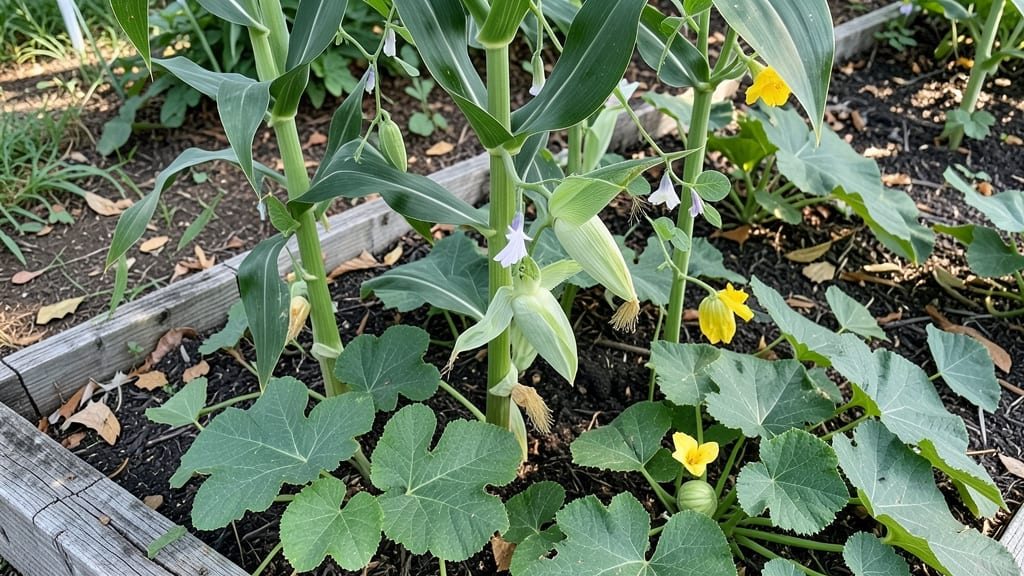
Planting corn, beans, and squash together isn't just gardening—it's reviving an ancient tradition that feeds the land while feeding your table. 🌽 The Three Sisters method, born from Indigenous wisdom, creates a self-sustaining garden where each plant supports the others: corn provides structure, beans fix nitrogen, and squash shades the soil.
My first attempt last summer produced so much food I gave away half the harvest, and I've been perfecting it ever since. This system works in any climate with the right timing and spacing—no fancy equipment needed.
You'll start with corn stalks as the backbone, then thread beans through their leaves and nestle squash at the base. The key is patience: the beans won't climb until the corn reaches 5-6 feet tall, and the squash needs warm soil to sprout.
Once established, this trio thrives with minimal intervention, giving you bountiful harvests with less work than planting them separately. By late summer, you'll be pulling ears of sweet corn, snapping fresh green beans, and harvesting summer squash—all while watching the soil stay rich and the pests stay away.
The beans even leave the soil better than they found it, so next year's garden benefits too. It's gardening that gives back, season after season. Perfect for beginners and experienced growers alike, this method adapts to small spaces or large plots.
Whether you're honoring Indigenous traditions or just looking for a low-maintenance, high-reward garden, the Three Sisters deliver. Let's get those seeds in the ground!
📚 In This Guide
- What you need
- Instructions
- Tips and common mistakes
- Wrapping up and next steps
What you need
- ● Seeds: 1 packet flint corn (e.g., 'Black Aztec,' 'Iroquois White Flint') – 2-3 seeds per hill
- ● 1 packet pole beans (e.g., 'Scarlet Runner,' 'Pinto') – 4-5 seeds per hill
- ● 1 packet winter squash (e.g., 'Butternut,' 'Acorn') – 2-3 seeds per mound
- ● Garden Space: Sunny spot with 6+ hours of direct sunlight daily
- ● Well-draining soil (amend with compost if needed)
- ● Tools: Hand trowel or transplanting spade
- ● Garden fork (for loosening soil)
- ● Watering can or hose with gentle spray nozzle
- ● Pruners (for squash vines later)
- ● Organic fertilizer (e.g., fish emulsion or compost tea)
- ● Mulch (straw or leaves to retain moisture)
- ● Trellis or sturdy stakes (for beans if not using pole varieties)
- ● Row covers (to protect young plants from pests)
- ● Journal or app (to track planting dates and harvests!)
Step-by-step instructions for planting the 3 Sisters garden
This Indigenous companion planting method creates a thriving, self-sustaining garden that feeds you all season long.
🌱 Step 1: Choose and Prepare Your Planting Site
Select a sunny spot that receives at least 6 hours of direct sunlight daily. The 3 Sisters thrive together because each plant supports the others: corn provides structure, beans fix nitrogen, and squash shades the soil. Clear any weeds or grass from a 4-foot by 4-foot area—this gives each plant enough room to grow without competing.
Loosen the top 6-8 inches of soil with a garden fork or tiller. Avoid compacting the soil as you work—this ensures good root growth for all three plants. If your soil is heavy clay or very sandy, mix in 2-3 inches of well-aged compost to improve fertility and moisture retention.
🌿 Step 2: Plant the Corn First as the Foundation
Plant 4-6 corn seeds in a small circle or square in the center of your plot, about 1 inch deep and 6 inches apart. Corn acts as a living trellis for the beans, so spacing them evenly ensures strong stalks later. Water the seeds gently after planting to settle the soil around them.
Keep the soil consistently moist but not soggy until the corn reaches 6 inches tall—this usually takes 7-10 days in warm soil. Thin the seedlings to the strongest 3-4 plants once they have 2-3 leaves, pulling the weakest ones at the base. This prevents overcrowding and gives the remaining plants room to grow.
💧 Step 3: Plant Beans Along the Corn Stalks
When your corn is 6-8 inches tall, plant 4-5 bush bean seeds around the base of each corn stalk, about 2 inches deep and 4 inches away from the corn. Beans climb the corn stalks naturally, fixing nitrogen in the soil as they grow—this fertilizes the corn and squash without needing extra amendments.
Water the beans gently after planting, keeping the soil moist but not waterlogged. You’ll see tiny leaves emerge in 7-14 days, depending on your climate. If your soil stays dry, water lightly every 2-3 days until the beans are established. Avoid wetting the leaves to prevent fungal diseases.
☀️ Step 4: Plant Squash at the Outskirts for Shade and Pest Control
After the beans have sprouted and the corn is 12 inches tall, plant 2-3 squash seeds around the outer edges of your plot, about 1 inch deep and 3 feet apart. Squash spreads wide, shading the soil to retain moisture and suppress weeds. Its large leaves also deter pests that might target the corn and beans.
Water the squash seeds thoroughly after planting, as they need consistent moisture to germinate. Keep the soil evenly moist until the squash vines are 6 inches long, then gradually reduce watering to 1-2 times per week, depending on rainfall. Mulch around the squash with 2-3 inches of straw to retain moisture and prevent weeds.
⏰ Step 5: Maintain and Harvest for a Bountiful Season
Throughout the growing season, water the entire plot deeply 1-2 times per week, focusing on the base of the plants to avoid wetting the leaves. The 3 Sisters work together to conserve water: the squash shades the soil, reducing evaporation, while the beans improve soil fertility. Fertilize lightly with compost tea or a balanced organic fertilizer every 4-6 weeks if the plants look nutrient-deficient.
Harvest corn when the silks turn brown and the kernels are plump (80-100 days after planting). Pick beans regularly to encourage more production—harvest when pods are firm and 4-6 inches long. Squash is ready when the skin is hard and the vine stops growing; harvest before the vines die back. Enjoy fresh, homegrown food all season long!
Tips & tricks for perfect 3 Sisters garden planting
These practical insights will help you create a thriving, self-sustaining garden that yields food all season long.
Sunlight Strategy: That 6 hours of daily sunlight is non-negotiable for all three plants. I've planted in partially shaded spots before and ended up with weak corn stalks and poor squash production. If your garden only gets 4-5 hours of sun, consider planting just the beans and squash—they're more adaptable. For maximum yield, position your 4-foot plot where the morning sun hits first, as this helps prevent fungal issues on the leaves.
Thinning Technique: When thinning corn seedlings to your strongest 3-4 plants, don't just pull them—cut them at the base with clean scissors. This prevents disturbing the roots of your remaining plants. I learned this the hard way when I pulled seedlings and accidentally uprooted a strong one. Also, time your thinning for when the corn is about 6 inches tall—this gives you enough visual cues to identify the strongest stalks without waiting too long.
Watering Wisdom: The key to consistent moisture without waterlogging is to water deeply but infrequently. I use soaker hoses buried 2 inches below the soil surface to deliver water right to the roots. For the first 7-10 days after planting corn, check soil moisture daily—stick your finger 1 inch down. If it's dry, water; if it's damp, wait. Overwatering at this stage causes seed rot, which I've seen destroy entire corn plots.
Pest Prevention: Plant marigolds around the perimeter of your 4-foot plot—they naturally repel pests that target all three sisters. I've had amazing success with French marigolds, which also attract beneficial insects like ladybugs. Another trick: crush a few basil leaves and sprinkle them around the base of your corn plants. The strong scent confuses pests while adding subtle flavor to your harvest.
Pro Tips for 3 Sisters Corn Beans Squash
- These practical insights will help you create a thriving, self-sustaining garden that yields food all season long.
- Sunlight Strategy: That 6 hours of daily sunlight is non-negotiable for all three plants.
- Thinning Technique: When thinning corn seedlings to your strongest 3-4 plants, don't just pull them—cut them at the base with clean scissors.
Frequently asked questions
Got questions about growing the legendary Three Sisters? You’re not alone! Here are answers to the most common curiosities—from planting tips to troubleshooting—to help you cultivate this Indigenous garden staple with confidence.
What’s the best way to plant corn, beans, and squash together?
The key is timing and space! Start by planting corn first (1–2 inches deep, 4–6 inches apart). Once the corn reaches 6–12 inches tall, add beans around the stalks (they’ll climb naturally). Finally, tuck squash vines at the base of the corn, leaving 3–4 feet between hills. This mimics Indigenous companion planting for mutual support.
How long does it take for the Three Sisters to grow?
Patience pays off! Corn matures in 60–100 days, beans in 50–70 days, and squash in 70–100 days, depending on variety. Harvest corn when tassels dry and silks turn brown, beans when pods are firm, and squash when rinds harden. Mark your calendar—seasonal shifts matter!
What pests or problems should I watch for?
Common culprits include corn earworms, bean beetles, and squash vine borers. Preventative tips:
- Use row covers early in the season.
- Handpick pests or spray neem oil.
- Rotate planting spots yearly to disrupt cycles.
Can I grow the Three Sisters in containers or small spaces?
Opt for bush varieties (like ‘Golden Bantam’ corn or ‘Bush Blue Lake’ beans) and use 5-gallon pots or raised beds. Squash vines thrive in containers too—just ensure they’re at least 12 inches deep. Cluster plants closely (3–4 inches apart) to save space, and prune squash vines to control sprawl.
How do I store or preserve the harvest?
Each sister stores differently:
- Corn: Husk and store in a cool, dark place (50–60°F) for 1–2 weeks. Freeze or can kernels for long-term storage.
- Beans: Dry in the sun or oven (100°F for 2–3 hours) for shelf-stable storage. Fresh beans keep in the fridge for 5–7 days.
- Squash: Cure in sunlight for 10 days, then store in a 50°F+ space for 2–3 months. Or pickle, roast, or freeze!
Pro tip: Label everything—varieties like ‘Black Valentine’ beans or ‘Table Queen’ squash can look alike!
Wrapping up and next steps
Growing the Three Sisters—corn, beans, and squash—isn’t just about harvesting; it’s about reviving tradition and nurturing the land with wisdom passed down for centuries. These powerhouse plants thrive together, offering nutrient-rich harvests and a sustainable, low-maintenance garden that feeds body and soul.
Whether you’re a beginner or a seasoned gardener, this trio promises abundance, resilience, and connection to Indigenous heritage.
Ready to plant your own legacy? Start small—even a 4’x4’ patch can yield enough for meals and sharing. Grab your seeds, pick a sunny spot, and let the soil do the rest! 🌱✨